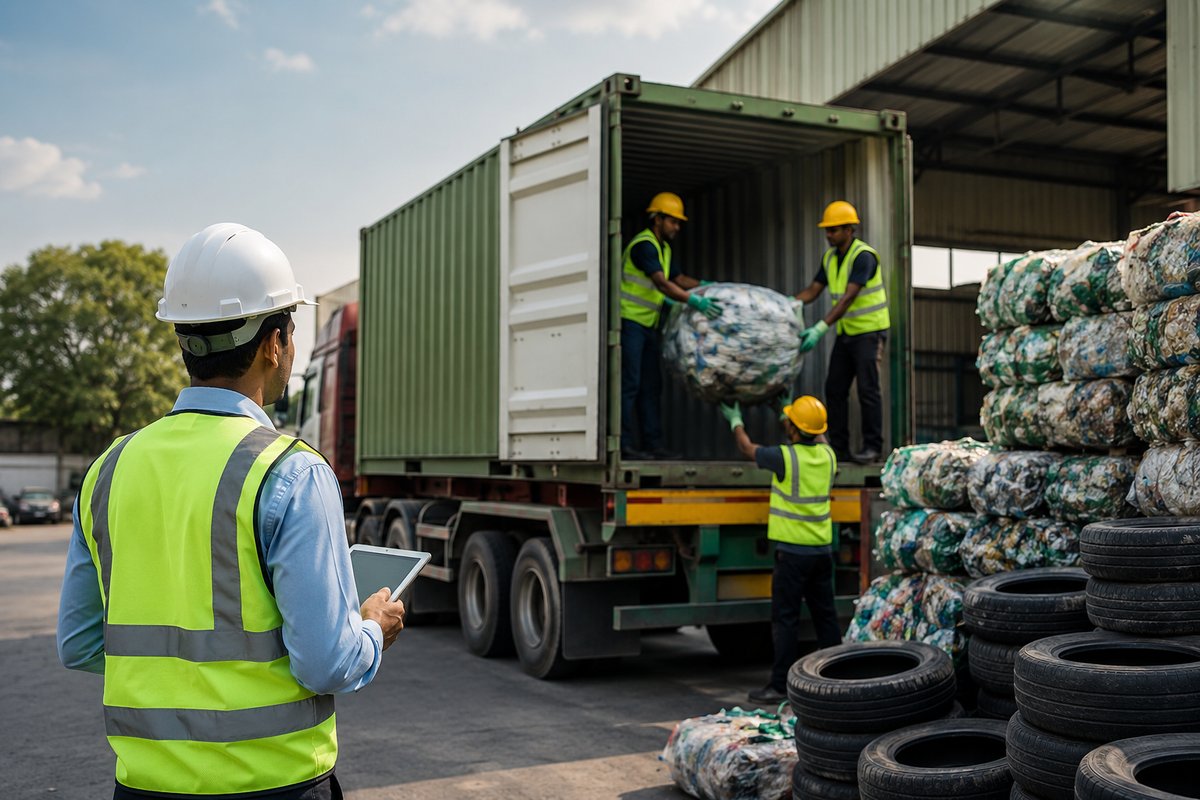
India’s supply chains are evolving beyond moving goods from factories to customers. Today, businesses must also plan how products, packaging, and materials return after use. This shift has made circular logistics in India an important part of modern supply chain planning.
Government regulations have expanded Extended Producer Responsibility (EPR) across multiple waste streams, including plastic packaging, batteries, e-waste, tyres, used oil, and end-of-life vehicles. Companies now need reliable logistics partners who can collect, transport, track, and deliver these materials safely to authorised recyclers or processing facilities.
For manufacturers, distributors, and brands, circular logistics is no longer only about sustainability. It has become an operational and compliance requirement.
From Forward Logistics to Reverse Value Logistics
Traditional logistics focuses on delivering products from manufacturers to customers. Circular logistics works in the opposite direction by recovering materials after use so they can be recycled, repaired, reused, or processed responsibly.
Think of it like borrowing a library book. The journey does not end when someone receives the book. It must also return safely so others can use it again. Circular logistics follows the same principle for products and materials.
Unlike regular freight movement, reverse logistics often deals with mixed loads, damaged items, used materials, or waste that requires careful handling.
For example:
- A retailer collects used plastic packaging from multiple stores.
- A battery manufacturer retrieves spent batteries for authorised recycling.
- A tyre company collects worn-out commercial tyres for approved recovery.
- An electronics brand moves returned devices to certified recycling facilities.
Each movement requires proper planning, documentation, and visibility throughout the journey.
EPR and What It Changes Operationally
Extended Producer Responsibility has changed how companies manage products after sale.
Instead of focusing only on production and delivery, businesses must now demonstrate responsible collection and disposal of regulated materials.
This creates new operational responsibilities, including:
- Planning collection schedules across multiple locations.
- Verifying authorised recyclers and processing partners.
- Maintaining accurate transport documentation.
- Recording quantities collected and delivered.
- Providing traceability throughout the supply chain.
Consider a company selling packaged consumer goods across India. Earlier, logistics ended after products reached distributors. Today, the same company may also need a transport network that collects used packaging from different regions and delivers it to approved recycling partners while maintaining complete records.
Without organised reverse logistics, meeting EPR obligations becomes much more difficult.
Designing Compliant Reverse Flow Networks
Successful circular logistics depends on well-designed collection and transportation networks rather than simply arranging return trips.
A typical reverse logistics network usually includes:
Collection Points
Retail outlets, distributors, service centres, warehouses, or customer locations become the first stage for material recovery.
Aggregation Hubs
Instead of sending small quantities directly to recyclers, businesses often consolidate materials at regional hubs. This reduces transport costs while improving vehicle utilisation.
Sorting and Inspection
Different materials require separation before transport. Batteries, plastic waste, electronic components, tyres, and metal scrap each follow different handling procedures.
Compliant Transportation
Certain materials require specialised packaging, secure loading practices, and proper documentation throughout transit.
Authorised Processing Facilities
The final destination should be approved recyclers or treatment facilities capable of processing the recovered materials according to regulatory requirements.
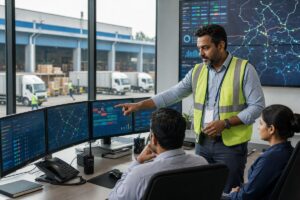
Technology also plays an important role. GPS tracking, digital proof of delivery, transport management systems, barcode scanning, and shipment visibility help companies maintain accurate records throughout the reverse journey.
Why Circular Materials Need Specialised Transportation
Not every reverse shipment can travel like ordinary freight.
Materials such as batteries, tyres, metal scrap, used oil, and electronic waste each present unique transportation challenges.
For example:
- Used batteries require careful handling to minimise safety risks.
- Tyres occupy significant vehicle space despite being relatively lightweight.
- Electronic waste requires secure transportation to reduce theft and prevent damage.
- Plastic packaging often needs compaction before long-distance transport.
- Metal scrap demands safe loading to prevent shifting during transit.
Each material category may involve different documentation requirements, authorised destinations, and handling procedures.
Transport teams must understand these differences before accepting circular economy loads.
Choosing the Right Logistics Partner for Circular Streams
Selecting a logistics provider for circular logistics involves more than comparing freight rates.
Businesses should look for partners that can demonstrate operational capability, compliance processes, and nationwide execution.
An experienced logistics partner should be able to provide:
- Nationwide collection and transportation capabilities.
- Complete shipment visibility from pickup to delivery.
- Strong documentation and record management.
- Safe handling practices for specialised materials.
- Reliable regional aggregation networks.
- Scalable operations across multiple states.
- Consistent communication between collection points, warehouses, and recyclers.
As circular economy regulations continue expanding, logistics providers become an important extension of a company’s compliance strategy rather than simply a transport vendor.
Building Sustainable Supply Chains with Circular Logistics
India’s transition towards a circular economy is creating new opportunities for businesses that invest in organised reverse logistics. Companies that design efficient collection networks today will improve compliance, recover valuable materials, reduce waste, and strengthen long-term supply chain resilience.
At PTC Green Logistics Division, we understand that reverse logistics requires the same level of planning and reliability as forward distribution. From collection and aggregation to compliant transportation and nationwide visibility, we help businesses build practical circular logistics networks that support both operational efficiency and environmental responsibility.
As circular economy initiatives continue to grow across India, businesses that partner with experienced logistics providers will be better prepared to manage reverse supply chains with confidence, compliance, and efficiency.