In India’s growing logistics market, businesses expect faster deliveries, better shipment visibility, and reliable transit times. For companies using Part Truck Load (PTL) services, speed often depends on what happens inside a logistics hub rather than on the road itself.
One of the most effective ways to improve PTL movement is through cross-docking. When executed correctly, cross-docking reduces handling delays, shortens hub dwell time, and helps freight move through the network more efficiently.
This is why many logistics providers are strengthening their hub operations and investing in processes that support faster freight flow across India.
What Cross-Docking Means in a PTL Network
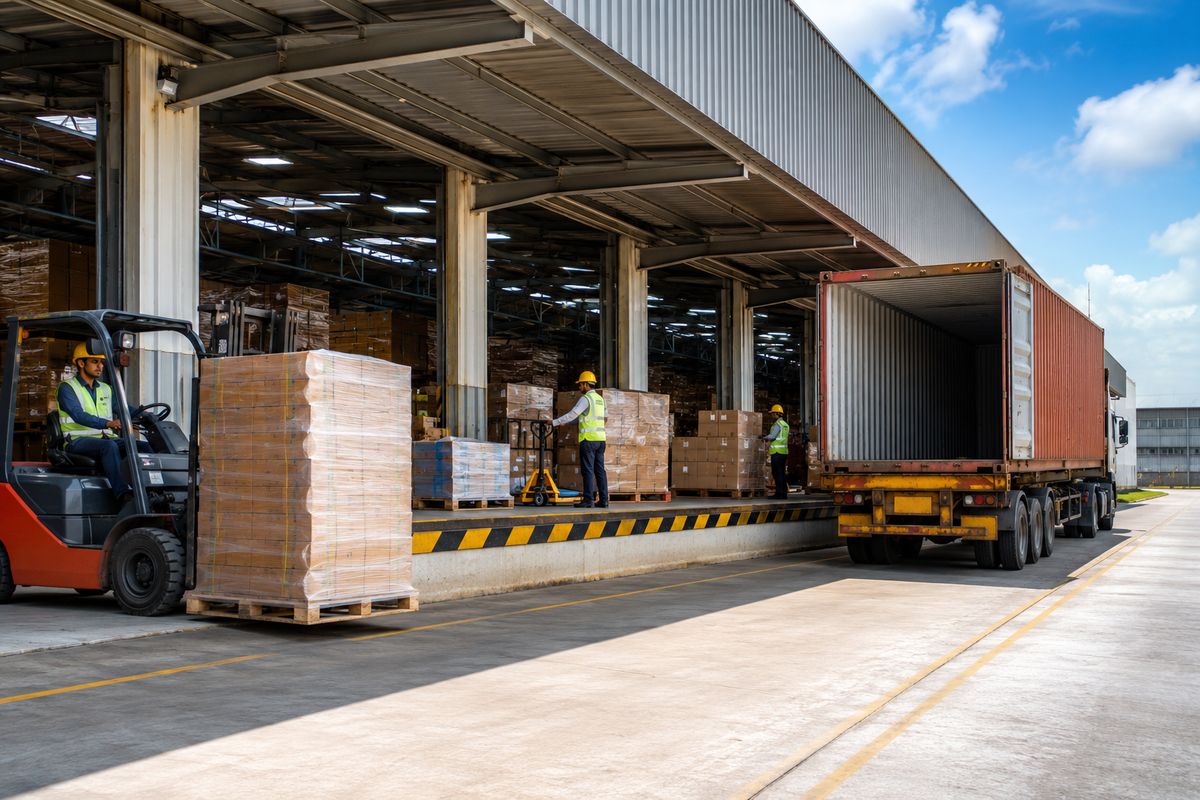
Cross-docking is a handling method where shipments arrive at a hub, get sorted, and move directly onto outbound vehicles with little or no storage time.
Think of it like passengers changing flights at an airport. The goal is not to stay at the airport longer than necessary. Instead, passengers move quickly from one flight to the next. PTL freight works similarly.
In a PTL network, shipments from multiple customers arrive at a hub, get scanned and sorted according to destination, and then move onto outbound trucks heading toward regional hubs or final delivery points.
The main value of cross-docking comes from reducing waiting time. Every hour a shipment spends sitting in a warehouse adds delay without creating value.
Cross-Docking Versus Storage-Led PTL
Not every shipment should pass through a cross-dock operation.
Cross-docking works best for:
- Fast-moving B2B shipments
- Predictable freight volumes
- Time-sensitive deliveries
- Freight with complete documentation
- Regular lane movements
Storage-based handling makes more sense when:
- Inventory must be held for future demand
- Orders require picking and packing
- Freight arrives before delivery schedules allow dispatch
- Demand patterns fluctuate significantly
For example, a manufacturer shipping spare parts daily to distributors may benefit from cross-docking because shipments move continuously through the network.
On the other hand, a business stocking seasonal products may require warehousing because inventory must remain available for future orders.
The key is matching the handling model to the shipment’s purpose.
The Cost of Hub Dwell
Hub dwell refers to the amount of time freight spends inside a logistics facility before moving onward.
Even small delays can create major network disruptions.
If a shipment misses an outbound truck departure by one hour, it may have to wait until the next dispatch window. That can add an entire day to transit time.
Long dwell times also create:
- Congestion inside hubs
- Increased handling costs
- Lower truck utilization
- Reduced delivery reliability
- Higher risk of shipment errors
For PTL networks, reducing dwell hours often delivers greater performance improvements than simply increasing truck speeds.
What High-Performing PTL Hubs Do Differently
Successful cross-dock operations rely on discipline and process consistency.
High-performing PTL hubs typically focus on three operational areas:
Strong Shipment Labelling
Every shipment should have clear and accurate labels.
When labels are incomplete or unreadable, staff spend extra time identifying freight. This slows sorting and increases the risk of misrouting.
Well-Defined Staging Lanes
Staging lanes act as temporary holding areas for freight assigned to specific outbound routes.
These lanes allow teams to group shipments quickly and load vehicles in an organized manner.
Without proper staging, freight can become mixed together, creating confusion during loading.
Planned Dispatch Windows
Top-performing hubs operate with strict dispatch schedules.
Teams know exactly when inbound vehicles arrive and when outbound trucks depart. This helps maintain flow throughout the facility and prevents freight from accumulating on the dock floor.
Why Cross-Docking Fails When Processes Are Weak
Cross-docking depends on timing and accuracy.
Several common issues can slow the entire operation:
Poor Documentation
Missing invoices, delivery notes, or shipment details can prevent freight from moving forward.
Weak Load Sequencing
Freight should be loaded in the order required for unloading at downstream locations. Incorrect sequencing creates delays later in the network.
Inconsistent Slotting
When staff place shipments in the wrong staging area, outbound teams spend valuable time searching for freight.
Limited Scan Compliance
Every movement should be scanned and recorded. Missing scans reduce visibility and make it harder to identify bottlenecks.
Small operational mistakes often create larger delivery delays than traffic or road conditions.
KPIs B2B Shippers Should Review
Businesses evaluating a PTL logistics partner should look beyond delivery promises and review operational performance metrics.
Important KPIs include:
Scan Compliance
Measures the percentage of shipment movements that are properly scanned and recorded.
Dwell Hours
Tracks how long freight remains inside a hub before moving onward.
Truck Cut-Off Adherence
Shows how consistently outbound vehicles depart according to schedule.
Miss-Connect Rate
Measures shipments that miss their planned outbound connection and require rebooking onto later departures.
On-Time Dispatch Performance
Indicates whether freight leaves the hub as planned.
These metrics provide a clearer picture of network efficiency than transit time alone.
A Practical Checklist for Evaluating a PTL Partner
Before selecting a PTL provider, ask:
- Are shipments scanned at every handling stage?
- What are the average hub dwell hours?
- How are staging lanes organized?
- How often do shipments miss outbound connections?
- Are dispatch schedules monitored and measured?
- What shipment labelling standards are followed?
- How are documentation errors handled?
- Can the provider share operational performance reports?
The answers reveal whether the provider operates a disciplined cross-dock network or relies heavily on storage-based handling.
Conclusion
Cross-docking PTL in Indian operations can significantly improve delivery speed when supported by strong hub processes. Faster freight movement is not simply about trucks covering more distance. It is about reducing unnecessary waiting time inside logistics facilities.
When logistics providers focus on scan compliance, dispatch discipline, shipment labelling, and efficient staging, PTL networks become faster, more predictable, and more reliable.
For businesses shipping across India, evaluating how a logistics partner manages its hubs may be just as important as evaluating the fleet on the road.