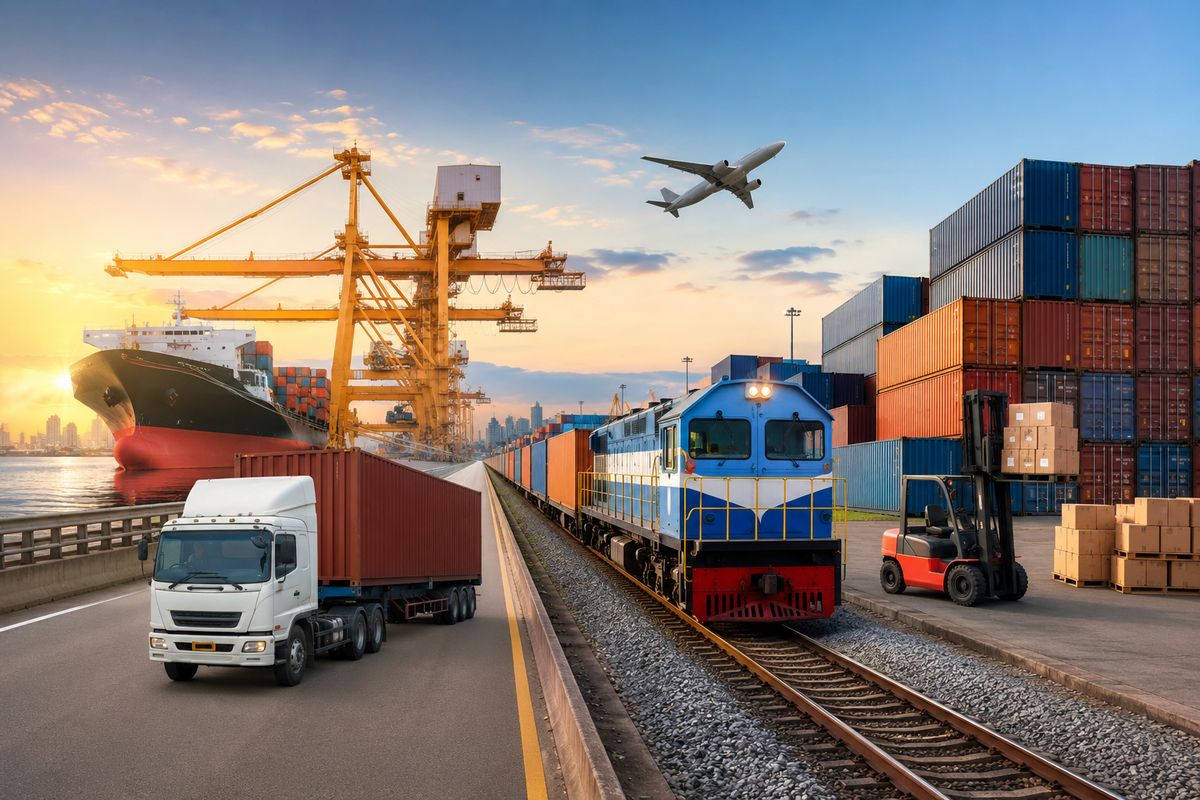
India’s logistics network is changing quickly. Better rail corridors, expanding coastal shipping, and growing inland waterways are giving businesses more transport choices than ever before. At the same time, cost pressures continue to push supply chain teams to look beyond road transport.
However, moving freight from road to rail or water is not simply about choosing the cheapest option. Every shipment has different service requirements, customer expectations, and operational challenges. A mode that lowers transport cost can also create delays, increase handling, or reduce delivery flexibility if used on the wrong lane.
The smartest companies evaluate each transport lane individually. They shift only where multimodal logistics improves both cost efficiency and service performance.
Cost to Service Versus Cost-Only Decisions
Lower freight rates always look attractive, but transportation should support the entire supply chain, not just reduce one expense.
Imagine a manufacturer delivering emergency spare parts to customers every day. Rail may cost less than road, but fixed schedules and additional terminal handling could delay deliveries. In this case, road transport still provides better business value.
Now consider a company moving large volumes of packaged goods between two major cities every week. Transit times are predictable, inventory is planned well in advance, and deliveries are not urgent. Rail or coastal shipping could reduce transportation costs without affecting customer service.
The right decision balances:
- Delivery speed
- Reliability
- Inventory requirements
- Customer expectations
- Total logistics cost
Choosing transport based only on freight rates often creates hidden costs elsewhere in the supply chain.
Which Lanes Are Multimodal Ready?
Not every shipment belongs on the same transport mode.
Road transport works best when:
- Shipments are urgent.
- Delivery locations are widely spread.
- Order quantities change frequently.
- Door-to-door flexibility matters most.
Rail transport is ideal when:
- Freight volumes remain consistent.
- Distances are long.
- Transit schedules can be planned.
- Large loads move between established terminals.
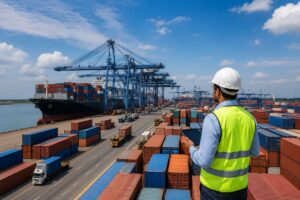
Coastal shipping works well for:
- Heavy cargo.
- Bulk commodities.
- Long-distance movements between port cities.
- Freight that has flexible delivery windows.
Hybrid multimodal movement becomes valuable when:
- Road handles first and last mile delivery.
- Rail or water handles the longest portion of the journey.
- Distribution centres already sit near rail terminals or ports.
For example, a consumer goods company shipping products from western India to southern India may use trucks to reach a nearby rail terminal, move the freight by rail over the long distance, and then use local trucks for final delivery.
The customer still receives a door-to-door service, but the long haul becomes more cost efficient.
Hidden Terminal and Handling Frictions
Many multimodal projects fail because planners focus only on transport cost while overlooking operational friction.
Every transfer between transport modes adds additional work.
Questions worth asking include:
- How long will cargo wait at terminals?
- How many loading and unloading activities will occur?
- Are cranes, forklifts, or labour always available?
- Does packaging protect goods during multiple handling points?
- Will documentation create delays?
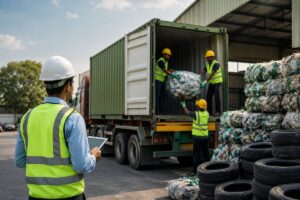
For example, moving freight from truck to rail may save money during transportation but lose an entire day waiting for terminal processing.
Similarly, cargo damaged during repeated loading can easily erase any freight savings.
Terminal efficiency often determines whether multimodal logistics succeeds.
When Multimodal Saves Money but Weakens Service
Some lanes appear attractive on paper but create problems after implementation.
Watch for early warning signs such as:
- Customer complaints about delivery timing.
- Increasing inventory at warehouses.
- Missed production schedules.
- Higher product damage rates.
- Frequent shipment rescheduling.
For example, saving 12 percent on freight may sound impressive. However, if the business must hold five additional days of inventory or misses customer delivery commitments, the overall supply chain becomes more expensive.
Successful logistics teams monitor both transport cost and service performance during every pilot.
How to Pilot a Mode Shift Safely
Companies do not need to redesign their entire logistics network overnight.
Instead, start with a small pilot.
A practical framework includes:
- Select one stable, high-volume lane.
- Compare current road performance with multimodal alternatives.
- Calculate first mile, terminal handling, main transport, and last mile costs.
- Measure transit time consistency rather than average transit time alone.
- Monitor customer satisfaction throughout the pilot.
- Expand only after results remain stable for several months.
This gradual approach reduces operational risk while allowing teams to build confidence before scaling.
Conclusion
The future of multimodal logistics in India is promising, but success depends on choosing the right lanes rather than changing every shipment.
Road transport will continue to serve time-sensitive and flexible deliveries. Rail offers significant value for long-distance, high-volume freight. Coastal shipping supports heavy cargo moving between ports. Hybrid models combine the strengths of multiple transport modes when supported by careful planning.
The best logistics strategy is not about replacing one mode with another. It is about matching every lane with the transport solution that delivers the right balance of cost, reliability, and customer service.
Companies that evaluate lanes individually, test carefully, and monitor performance continuously will gain the greatest benefits while keeping their supply chains dependable and competitive.