A truck can travel hundreds of kilometres, arrive on schedule and still return without completing the delivery. The consignee may not have an appointment, a document may contain the wrong purchase-order number, or the material may not match the receiving record.
For businesses trying to reduce delivery rejections in logistics across India, the solution starts before the vehicle leaves the origin. A clear validation process helps shippers, transporters, drivers and receiving teams identify avoidable errors early. It protects customer relationships while reducing waiting time, redelivery costs and inventory delays.
Why Delivery Rejections Need Clear Categories
Teams often record every failed delivery under one broad label. This hides the real cause and makes corrective action difficult. A useful rejection register should separate failures into clear groups:
- Appointment problems, such as missing slots or arrival outside the agreed window
- Documentation errors involving invoices, e-way bills, delivery challans or purchase orders
- Quantity, SKU or batch mismatches between the order, load and receiving record
- Quality or packaging issues, including visible damage, leakage or broken seals
- Site-readiness problems, such as unavailable unloading equipment, closed gates or insufficient storage space
- Vehicle-related issues where the selected truck does not meet site or cargo requirements
This classification shows whether the problem came from the product, the paperwork, the transport plan or coordination at the site.
Build a Strong Pre-Dispatch Validation
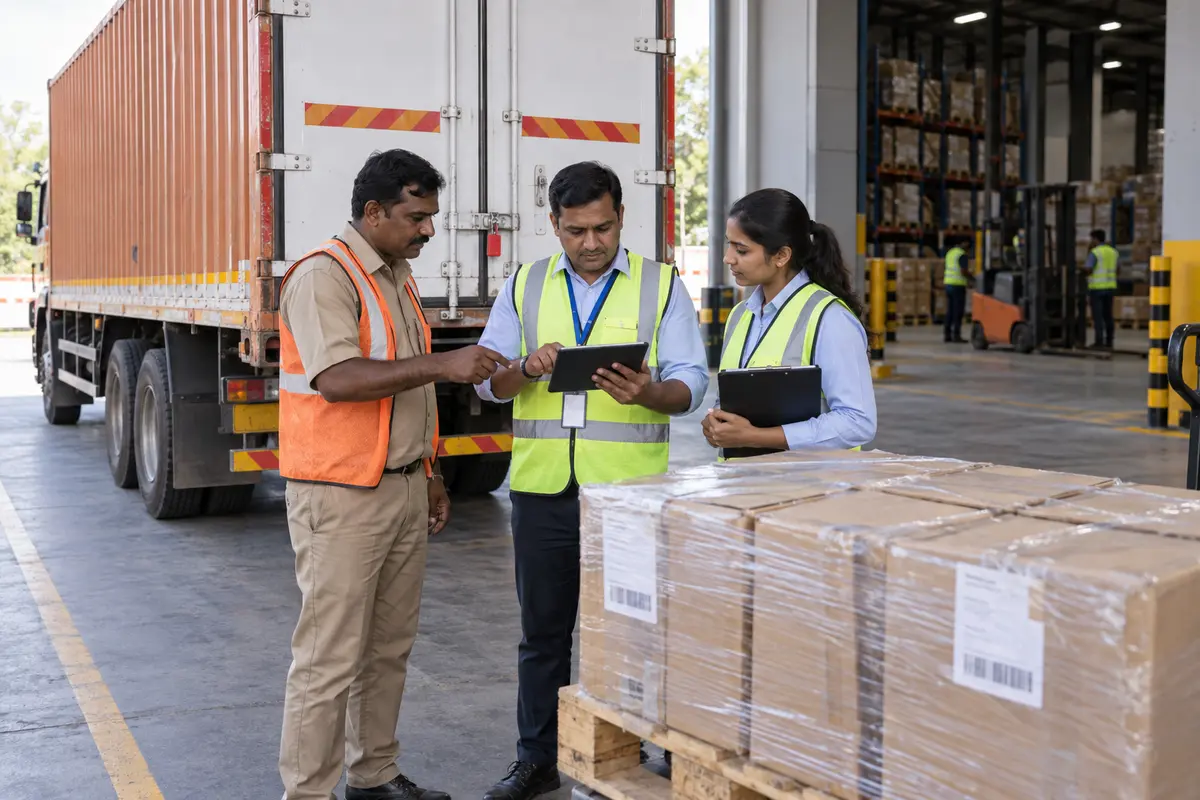
A pre-dispatch check should confirm that the delivery can proceed before loading begins. Verify the consignee name, location, gate, contact person and receiving hours. Confirm that the purchase order remains active and that the appointment date matches the planned arrival.
Review the list of required documents and any customer-specific rules. Some facilities need advance vehicle details, driver identification, safety equipment or digital appointment confirmation. Missing one requirement can stop an otherwise correct shipment at the gate.
Think of this check like confirming a flight booking before leaving for the airport. The journey may be possible, but the traveller still needs the correct date, destination and documents.
Match the Physical Load With the Order
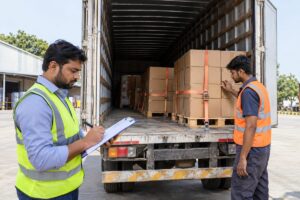
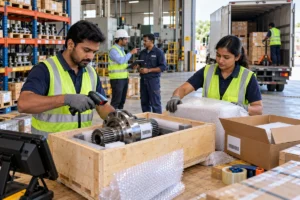
The loading team provides the final checkpoint before dispatch. Match product labels, SKU codes, quantities, batch details and packaging condition with the approved order. Check pallet counts, carton condition, seals and vehicle suitability.
Use a simple two-person verification for high-value, sensitive or complex loads. One team member prepares the shipment while another confirms the critical details. Digital scanning can improve accuracy, but teams should still investigate alerts rather than treating scanning as a routine click.
Photographs taken during loading can provide useful evidence of packaging condition, seal numbers and load arrangement. They also help teams understand whether damage occurred before dispatch, during transit or at unloading.
Give Drivers a Clear Arrival and Escalation Process
Drivers should know where to report, whom to contact and which documents to present. Share the appointment reference, gate instructions and consignee contact before departure. Avoid depending on verbal directions passed through several people.
If the receiving team reports a discrepancy, the driver should remain calm and collect evidence. This may include photographs, document acknowledgements, rejection remarks and the name of the receiving representative. The driver should then contact the designated operations person instead of negotiating commercial or product decisions alone.
A time-bound escalation process helps the shipper correct a document, confirm a quantity or arrange approval while the vehicle remains at the site. Quick action can turn a potential rejection into a successful delivery.
Separate Product Problems From Coordination Failures
A damaged product needs a different response from a missed appointment. A genuine quality issue may require inspection, replacement or production action. A coordination failure may need better master data, clearer communication or a revised dispatch checklist.
Reviewing both problems together can send corrective action to the wrong team. Clear ownership ensures that warehouse, customer service, transport, sales and receiving teams fix the part of the process they control.
Measure Rejections and Repeat Causes
Track rejection rate, redelivery cost, vehicle waiting time, recovery time and repeat causes by customer and lane. Also record whether the shipment was accepted later and what action resolved the issue.
Monthly averages alone can hide concentrated problems. One customer location, product group or transport lane may account for most failures. Segmenting the data helps managers focus on the few changes that can make the largest difference.
Turn Every Rejection Into a Process Improvement
The best way to reduce delivery rejections is to treat each one as evidence. Review the cause, confirm ownership, set a completion date and check whether the problem returns.
PTC supports B2B freight operations through disciplined coordination, reliable transport processes and clear communication across the delivery journey. With accurate pre-dispatch checks, careful loading verification and fast exception handling, businesses can improve first-attempt delivery success and protect the value of every shipment.