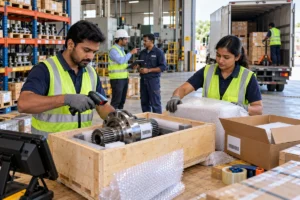
A shipper in Chennai has three orders ready for customers along the same route. One customer closes its receiving bay at noon, another needs a booked unloading slot, and the third can accept goods later. A single truck may suit the orders, provided the stops and the load work in the same sequence.
In a multi-drop full truckload arrangement, one shipper books a dedicated truck to deliver to several recipients on an agreed trip. If you are planning multi-drop FTL in India, assess the orders together before choosing a vehicle or promising arrival times.
Decide whether the orders belong on one truck
Compare the total package count, dimensions and weight with the vehicle the carrier proposes. Check whether the orders can travel together and whether that vehicle can reach every unloading point. A truck that suits the combined load may be too large for one customer’s gate.
One vehicle may make sense when the orders justify dedicated capacity and their delivery windows fit a practical route. If an urgent order needs its own slot, or a small order requires a long detour, compare a separate vehicle or part truckload service. Ask for quotes that account for extra stops, expected waiting and any return of undelivered goods.
Plan the route from the customer’s receiving window
Confirm each delivery address, receiving contact, unloading slot and vehicle access before sequencing the stops. Ask who provides unloading equipment and how long check-in, unloading and counting usually take. Compare driving distance alongside the time spent at each site.
Check what the receiving window covers. A warehouse that closes at noon may require the truck to arrive by then or expect unloading and checks to finish by then. Confirm which cutoff applies before setting the departure time.
In a hypothetical trip from Chennai to Tiruchirappalli, one recipient in Viluppuram accepts deliveries until noon. Of the two recipients in Tiruchirappalli, a factory has a booked afternoon slot and a distributor can accept a later delivery. A planner could consider Viluppuram first, then the factory, then the distributor. Confirm travel time and allow for waiting before committing to the sequence.
If the first stop runs late, contact the factory before its slot passes. Any change to the stop order needs a fresh check of customer availability and access to the correct cargo inside the truck. Give the driver a dispatch contact who can approve changes and update the recipients.
Give every delivery its own place on the truck
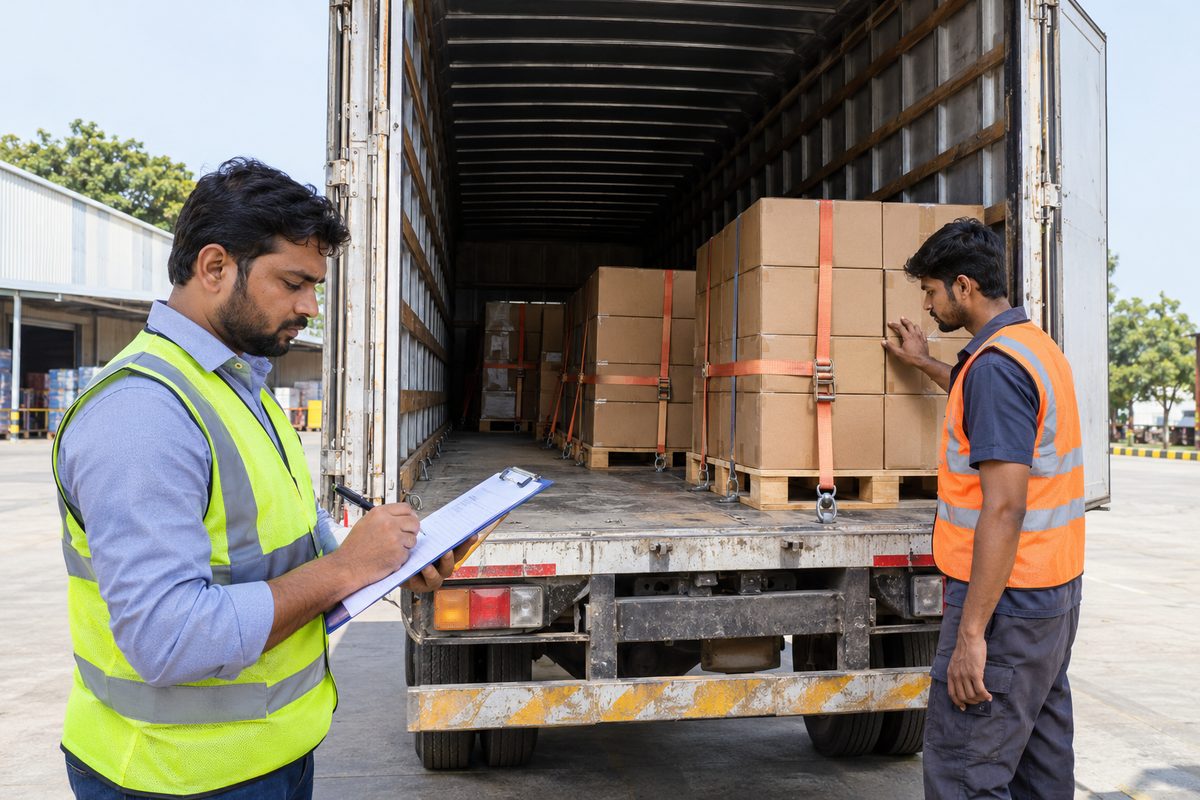
Group and label packages by recipient. The loading team should agree with the carrier how to make early deliveries accessible while keeping the load balanced and secured. On a rear-unloading truck, the first group may sit nearest the doors if the approved load plan allows it.
Share the stop list and package counts with the driver. At each drop, check the group against the delivery record before unloading. Have the crew verify the remaining cargo and its restraints before the truck leaves for the next stop.
Record what each customer actually received
Keep a proof of delivery for each stop. Record the order reference, time, recipient acknowledgement and quantities accepted. Note damage, refusals or shortages on the delivery record and notify dispatch promptly.
For example, if a customer accepts ten of twelve cartons, record ten as accepted and account for the two remaining cartons separately. Confirm why they were refused and agree with dispatch whether to attempt delivery again or return them. Keep them identified and separate from cargo for later stops.
If the cartons go back to the origin or an agreed depot, log who receives them and in what condition. Close the delivery exception once the shipper knows where the cartons are and has agreed the next action.
Review the whole trip before repeating it
After the last stop, reconcile the loaded quantities with the signed delivery records and any cartons still on the vehicle. Review travel time, time spent waiting and any missed receiving windows before repeating the route. One late stop may point to a booking or unloading issue that changes the next plan.
For PTC standard full truckload service share your pickup location, stop addresses, order sizes, receiving windows and unloading needs with Prakash Transport Corporation. Ask the team to confirm multi-stop coverage, vehicle availability and the commercial terms for your proposed trip before booking.