
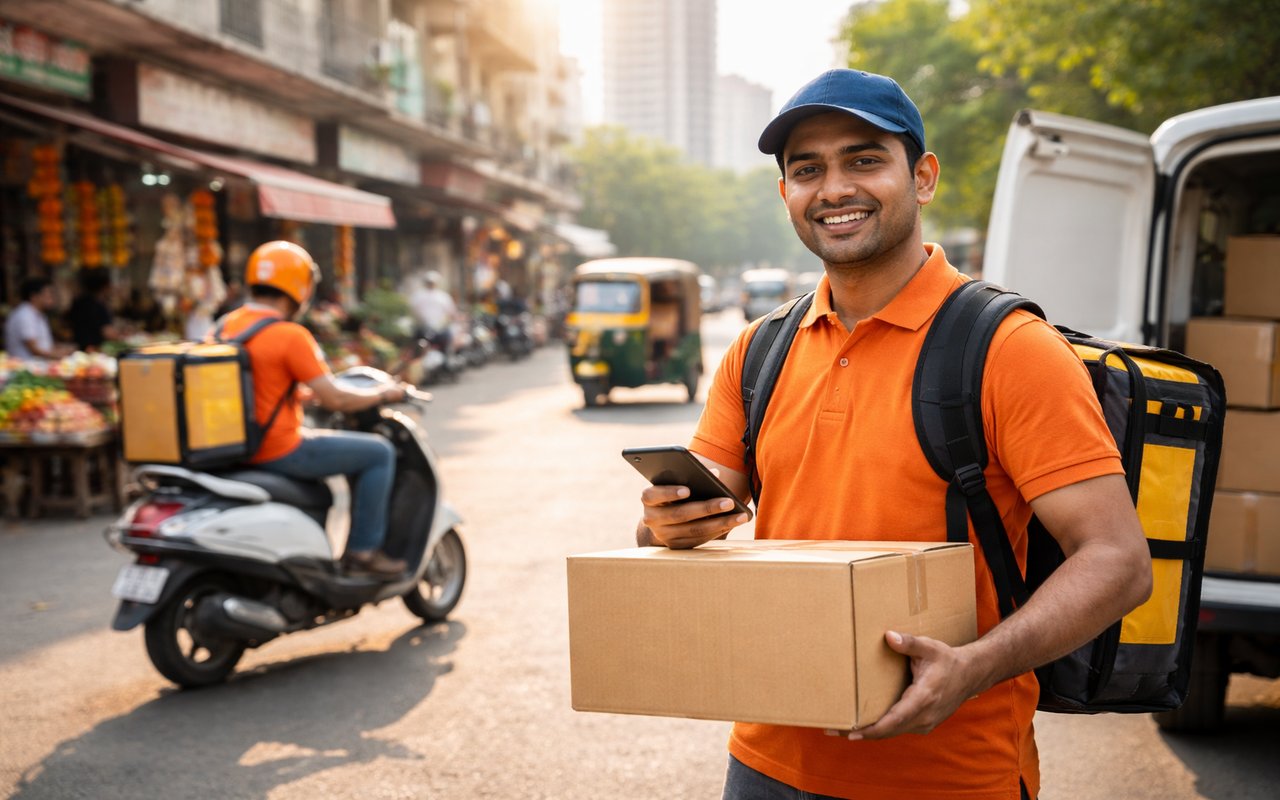
India’s e-commerce market has grown at a pace few could imagine a decade ago. From groceries and medicines to electronics and fashion, people now expect almost everything to arrive at their doorstep quickly and safely. This shift has changed how logistics companies work, especially in the last mile, which is the final step of delivery from a warehouse to the customer’s home. Today, speed, accuracy, and transparency matter as much as price.
How e-commerce changed logistics in India
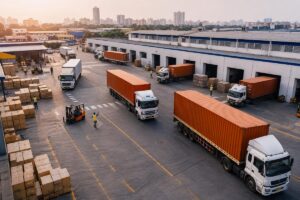
Earlier, logistics focused on moving goods in bulk between cities. E-commerce flipped this model. Orders now travel in small quantities to thousands of locations every day. To handle this, companies have built dedicated e-commerce warehouses near major cities. These warehouses store fast-moving products so that deliveries take hours instead of days.
Live order tracking has also become standard. Just like ride-hailing apps show where your cab is, customers want to see where their parcel is at every step. Many platforms now send updates at each stage, from order pickup to out-for-delivery. Some even offer time slots or same-day delivery, which adds pressure on logistics teams to plan routes carefully.
Rising consumer expectations in the last mile
Indian consumers have grown used to convenience. A late or incorrect delivery now feels unacceptable. Think of food delivery apps. If food arrives cold or late, customers complain right away. The same mindset applies to online shopping.
To meet these expectations, logistics providers optimize delivery routes every morning. They group nearby orders so that a single vehicle can deliver more packages in less time. This approach saves fuel and reduces delays. Companies also use local delivery staff who understand the area well. A delivery partner who knows which lanes flood during monsoon or which buildings lack lifts can work faster and smarter.
Micro-fulfillment and urban hubs
One major change is the rise of micro-fulfillment centers. These are small warehouses inside or near cities. Instead of sending every order from a large warehouse outside the city, companies store popular items closer to customers.
This works like a neighborhood kirana store. You get what you need quickly because the stock is nearby. For e-commerce, micro-fulfillment centers help offer same-day or next-day delivery, especially in metro cities like Mumbai, Bengaluru, and Delhi.
Urban hubs also support new delivery modes. In crowded areas, bikes and electric scooters often work better than large trucks. Some companies even test walking delivery partners for dense neighborhoods. These methods reduce traffic issues and improve delivery speed.
Localization and flexible systems
India is diverse. Delivery needs in a metro differ from those in a tier 2 or rural town. Successful logistics companies localize their operations. They adjust delivery timings, packaging, and routes based on local conditions.
Nearshoring plays a key role here. By keeping inventory closer to demand centers, companies reduce transit time and costs. Flexible systems also help manage sudden spikes in demand during festivals or sales. During events like Diwali or the Great Indian Festival, order volumes can double overnight. Technology helps logistics teams scale up quickly without chaos.
The growing challenge of reverse logistics
E-commerce growth also brings higher returns. Customers often order multiple sizes or styles and return what they do not need. Reverse logistics handles this flow from the customer back to the warehouse.
Managing returns costs money and time. A returned product must be picked up, checked, and restocked or repaired. Without a clear system, this can eat into profits. Leading logistics companies now use digital tools to manage returns efficiently. Pickup schedules, quality checks, and refunds happen faster, which keeps customers happy.
Think of it like returning a library book. If the process is simple, you do not hesitate to borrow again. E-commerce works the same way. A smooth return process builds trust and repeat business.
Technology as the backbone of last-mile delivery
Technology supports every part of modern last-mile delivery. Route planning tools reduce travel time. Real-time tracking keeps customers informed. Data helps predict demand so that warehouses stock the right products.
Even simple tools like mobile apps for delivery partners improve accuracy. Drivers can upload proof of delivery, capture signatures, and update status instantly. This reduces errors and customer complaints.
Looking ahead
India’s e-commerce journey is far from over. As more people shop online, last-mile delivery will remain the biggest test for logistics companies. Those who invest in local knowledge, smart technology, and flexible delivery models will lead the market.
Last-mile delivery may look simple on the surface, but it decides how customers judge an online brand. In a country as dynamic as India, meeting consumer expectations means staying fast, reliable, and ready to adapt every day.




One Response