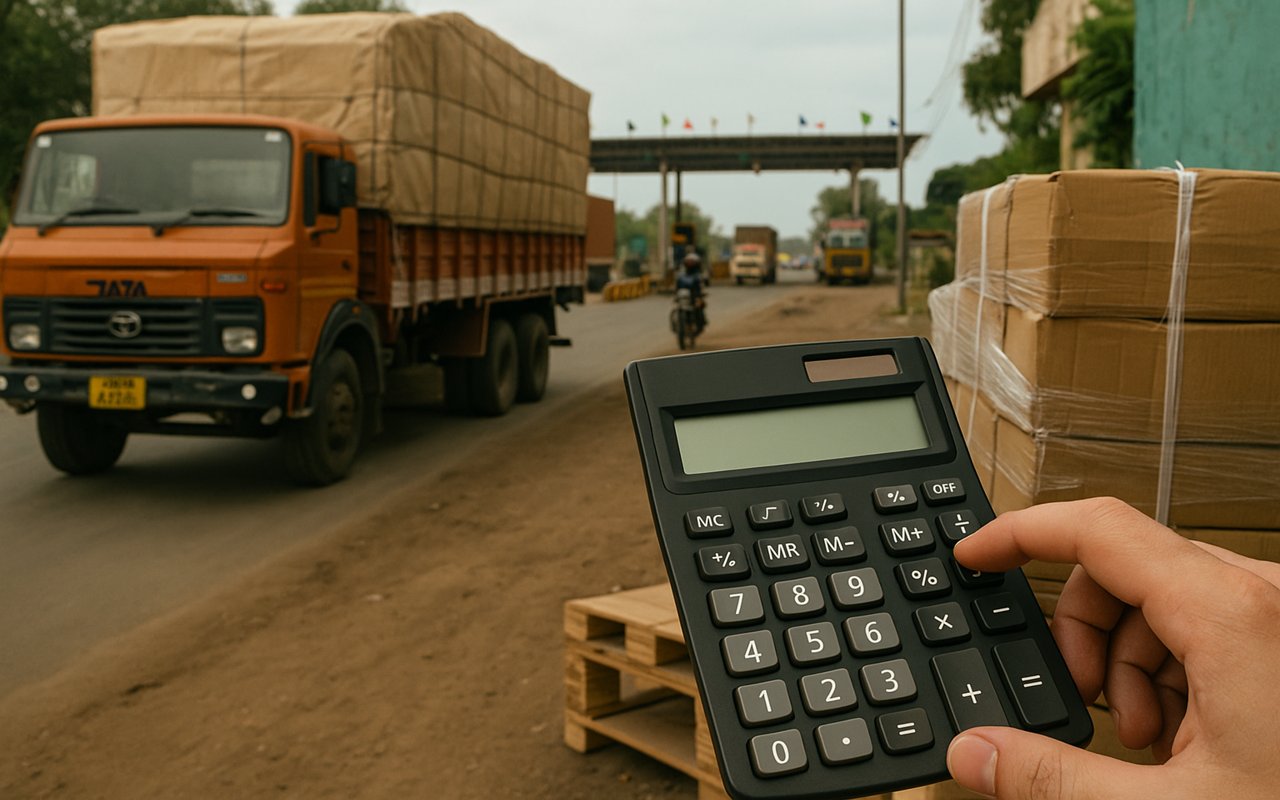
Transportation keeps India’s supply chains moving, but understanding the final bill can feel confusing for many businesses. Most people assume that freight charges only include the cost of moving goods from Point A to Point B. In reality, several smaller components come together to shape the final amount. Once you understand these pieces, it becomes much easier to control costs, plan accurately and negotiate better with carriers.
This guide breaks down every major cost that appears on a transport invoice and offers practical ways to save money without compromising on service quality.
1. What Makes Up Transportation Charges in India?
A transport bill includes more than just base freight. Here are the most common cost components and why they matter.
Base Freight
This is the starting cost of moving goods. It depends on distance, mode of transport and the weight or volume of the cargo. For example, a box of lightweight products may be charged based on space rather than actual weight, similar to how airlines bill a suitcase that is bulky but not heavy.
Fuel Surcharge
Fuel prices change often in India. Carriers add a fuel surcharge so they can manage this fluctuation. It usually varies between months. Think of it like a restaurant adding a seasonal price to certain dishes when ingredients become expensive.
Toll Charges
India’s expanding highway network has regular toll plazas. Any transport vehicle uses these routes, so toll costs pass on to the shipper. Shipments that travel across states or take expressways often show higher toll amounts.
Handling Charges
These charges cover the loading and unloading of goods. If your cargo needs special care, extra manpower or equipment like pallets or forklifts, handling costs will rise.
Pickup and Delivery Charges
If the transporter needs to collect products from your warehouse or deliver to a specific doorstep location, they may add a pickup or doorstep delivery fee. This is similar to how food delivery apps add a small delivery charge for reaching your exact address.
Warehousing or Storage
If goods stay in a warehouse for a few hours or days before the next movement, storage costs apply. Businesses often see this when they send shipments in the evening and they dispatch only the next morning.
Special Services
Some shipments need added safety or documentation. These include express delivery, fragile cargo handling, high-value cargo escorting, packaging support or temperature-controlled movement. Each extra service adds to the final bill.
GST
Goods and Services Tax applies to almost all transportation services. The percentage varies based on the type of service and mode of transport.
2. What Affects the Final Transportation Bill?
Even if two shipments look similar, their charges can differ because of several factors.
Distance
Longer distance means more fuel, tolls and time. A Delhi to Chennai shipment will naturally cost more than a Delhi to Jaipur shipment.
Mode of Transport
Road, rail, air and multimodal options have different cost structures. For example, air freight is faster but more expensive, while road freight offers flexibility and is suitable for most cargo.
Weight and Volume
Carriers use whichever is higher between actual weight and volumetric weight. If you pack lightweight goods in large boxes, you end up paying for the space rather than the weight.
Cargo Type
Fragile items, chemicals, electronics or liquids require special handling. This often affects the charges.
Speed of Service
Regular delivery is cheaper, while express deliveries cost more because carriers prioritise your shipment.
Packaging Quality
Good packaging prevents damage. Poor packaging leads to more handling time, lower stacking efficiency and higher charges in many cases.
3. Practical Tips to Reduce Transportation Costs
You can take several simple steps to bring down your logistics expenses without affecting service quality.
Optimise Route Planning
Choose the shortest and safest route. Avoid routes with unnecessary tolls when possible. Modern transport partners use GPS-based planning for this.
Consolidate Loads
If you ship smaller loads frequently, try combining them. Sending one full truck is often cheaper than sending three small shipments.
Negotiate With Carriers
Ask for pricing slabs based on regular volumes. Carriers often offer better rates for consistent business.
Improve Packaging
Use compact, sturdy packaging. The less space your shipment takes, the lower your volumetric charges. For example, reducing box size by even 10 percent can help save money across hundreds of shipments.
Compare Modes of Transport
Sometimes switching to rail for long distances or using a mix of road and rail reduces costs. This is similar to taking a metro instead of a cab during heavy traffic to save time and money.
Plan Shipments Early
Last-minute dispatches usually attract premium charges. Planning allows you to choose cost-effective routes and modes.
4. How to Choose the Right Transport Partner
A reliable transport partner can save you more money than any single cost-cutting method. Look for:
- Transparent billing so you know exactly what you are paying for
- A strong network across states for smooth movement
- Real-time tracking to avoid delays and follow ups
- Experience with your industry and cargo type
- Quick support in case of issues
- Safety processes that prevent damage and loss
Good transporters act like long-term partners, not just service providers. They help you optimise routes, reduce empty runs and manage documentation with ease.
Final Thoughts
Understanding how transportation charges work empowers businesses to make smarter decisions. When you decode each cost component, compare options and follow practical saving methods, logistics stops looking complicated. With the right planning and the right transport partner, you can control your costs, improve delivery speed and strengthen your entire supply chain.
If you want help choosing the best transport strategy for your business, feel free to reach out.