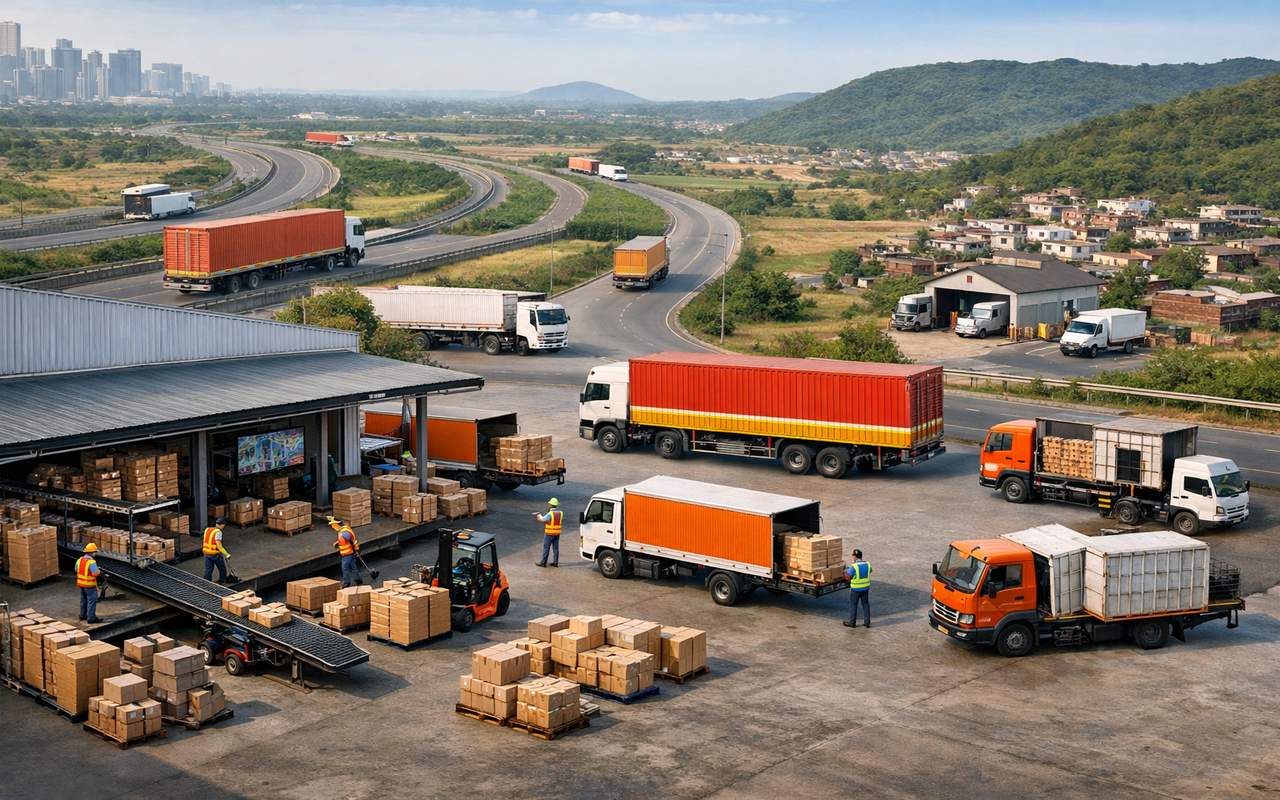
India’s logistics landscape is changing fast. Demand is no longer limited to metro cities. Tier-2 and Tier-3 towns are driving consumption, and businesses need reliable Part Truck Load (PTL) networks to reach them efficiently.
But scaling PTL is not just about adding more trucks. It starts with strong network design. When done right, it improves speed, reduces damage, and lowers costs.
Why PTL Network Design Matters
Think of PTL like a bus system instead of a private car. Multiple shipments from different clients travel together, stopping at key points before reaching their final destination.
If the route is not planned well, delays increase, goods get mishandled, and costs rise.
A strong PTL network design in India focuses on three things:
- Better consolidation: Combine shipments efficiently so trucks run full, not half-empty
- Route predictability: Fixed schedules help customers plan inventory better
- Damage reduction: Fewer unnecessary touchpoints mean safer cargo
For example, if shipments from Pune to Nagpur move through a defined hub in Mumbai instead of random routing, the process becomes faster and more reliable.
Hub-and-Spoke Fundamentals
At the heart of PTL operations is the hub-and-spoke model.
Imagine a wheel. The center is the hub, and the spokes connect it to multiple locations.
1. Line-haul vs Regional Distribution
- Line-haul: Long-distance movement between major hubs
- Regional distribution: Last-mile delivery from hub to nearby cities
For instance, a truck may move goods overnight from Delhi to a central hub in Indore. From there, smaller vehicles distribute shipments to nearby towns like Ujjain or Ratlam.
2. Cut-off Times Matter
Cut-off times define when a shipment must reach the hub to catch the next dispatch.
If a shipment misses the cut-off, it waits for the next cycle. That delay can affect the entire supply chain.
Good networks set clear and realistic cut-offs. They align them with customer pickup times and transit schedules.
3. Transhipment Governance
Every time cargo moves from one vehicle to another, there is a risk of delay or damage.
Strong processes help control this:
- Standard handling procedures
- Barcode scanning at every touchpoint
- Clear accountability at hubs
Think of it like an airport baggage system. The smoother the transfer, the lower the chance of loss or damage.
How Tier-2 and Tier-3 Growth Changes PTL
Serving smaller towns is not just an extension of metro operations. It comes with new challenges.
1. Lower Lane Density
In metros, trucks fill up quickly because of high demand. In Tier-2 and Tier-3 routes, shipment volumes are smaller.
This means you need smarter consolidation. Instead of daily direct routes, you may need to combine shipments across nearby regions.
2. Delivery Windows Are Wider
Customers in smaller towns may not have fixed receiving hours.
This flexibility helps, but it also requires better planning. Drivers must know exactly where to go and whom to contact.
3. Higher Cost-to-Serve
Fuel, time, and distance increase costs when volumes are low.
To manage this, companies often use:
- Milk-run routes that cover multiple towns in one trip
- Shared delivery models for nearby locations
4. Serviceability Constraints
Not all locations have good roads or infrastructure. Some areas may require smaller vehicles or local partners.
A strong PTL network adapts to these realities instead of forcing a one-size-fits-all approach.
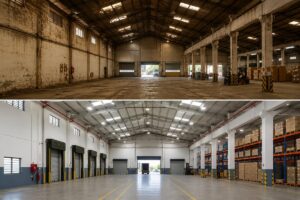
Warehouse Linkages That Improve PTL Throughput
Warehousing plays a critical role in PTL efficiency. It is not just about storage. It is about movement.
1. Cross-Docks
Cross-docks act like transit points. Goods arrive, get sorted, and leave quickly without long storage.
This reduces handling time and speeds up delivery.
2. Sortation Centers
Sortation helps group shipments based on destination.
For example, all shipments going to South India get grouped together at a hub before dispatch. This improves accuracy and reduces delays.
3. Micro-Hubs
Micro-hubs are small facilities closer to delivery locations.
They help manage last-mile delivery in dense or hard-to-reach areas. Think of them as mini distribution centers that bring goods closer to customers.
Where Digitisation Helps PTL the Most
Technology is the backbone of modern PTL networks.
1. Auto-Sort Data
Automated systems can assign shipments to the right routes based on pin codes and delivery timelines.
This reduces manual errors and speeds up processing.
2. Scanning Discipline
Every shipment should be scanned at each stage:
- Pickup
- Hub arrival
- Dispatch
- Delivery
This creates a clear trail and improves accountability.
3. Shared Visibility
Customers today expect real-time updates.
A shared dashboard helps both the logistics provider and the client track shipments, identify delays, and act quickly.
For example, if a shipment gets delayed at a hub, the system can alert teams instantly so they can resolve the issue before it escalates.
Final Thoughts
Scaling PTL in India is not just about expansion. It is about smart design.
A well-planned PTL network design in India combines efficient routing, strong hub operations, and technology-driven visibility.
As Tier-2 and Tier-3 markets continue to grow, businesses that invest in structured hub-and-spoke networks will deliver faster, safer, and more reliable services.
In logistics, consistency wins. And consistency starts with the right network.