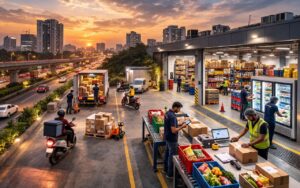
The logistics industry is changing faster than ever. What once relied on phone calls, paper records and manual planning now runs on data, software and smart machines. Rising fuel costs, customer expectations for faster delivery and the need for efficiency are pushing logistics companies to adopt new technologies.
From artificial intelligence to digital twins, modern tools are reshaping how goods move from factories to customers. Let us explore the key technology trends that are transforming logistics and what they mean in practical terms.
Artificial Intelligence and Machine Learning in Daily Operations
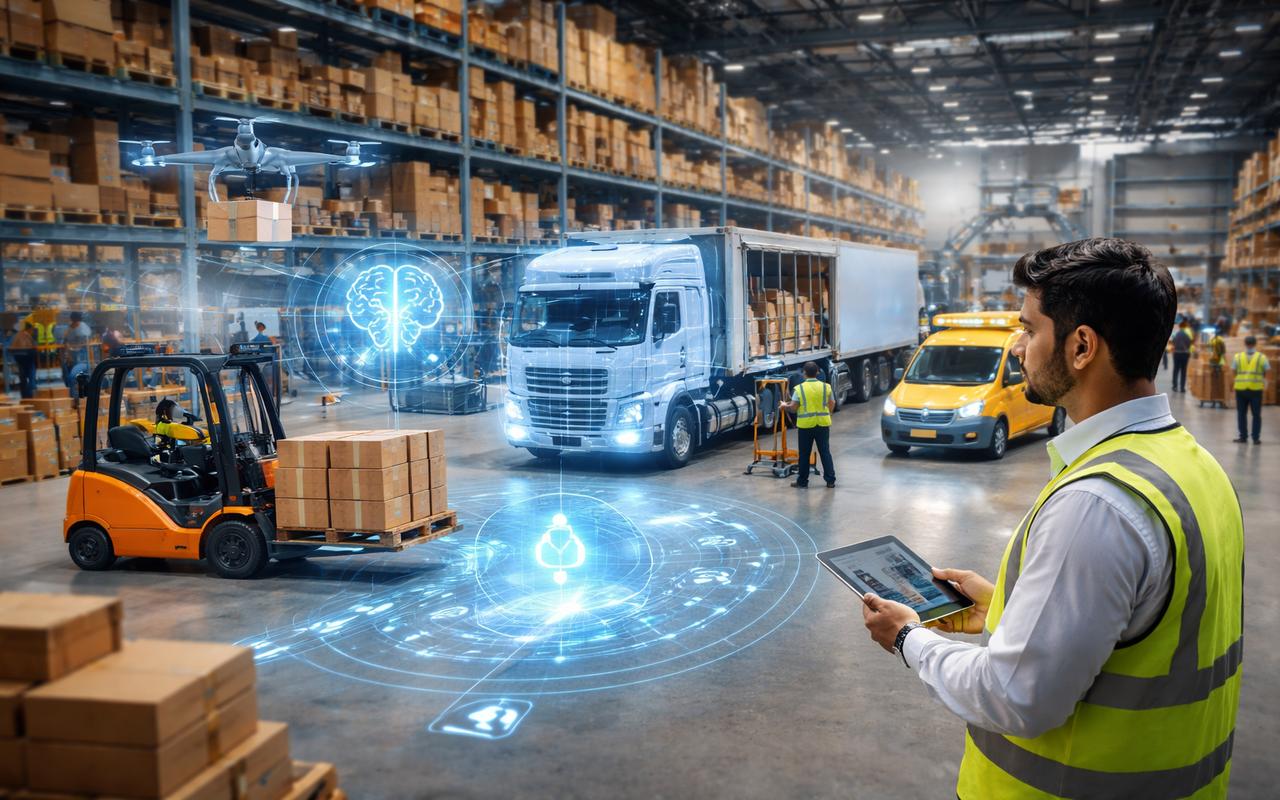
Artificial intelligence helps logistics teams make better decisions using data. Think of AI as a smart assistant that learns from past deliveries, traffic patterns and customer demand.
For example, AI can predict which routes will face delays based on weather or peak hours, much like a navigation app suggests the fastest road. Machine learning also improves demand forecasting. Instead of guessing how many trucks you will need next month, AI studies past orders and seasonal trends to give accurate estimates.
In warehouses, AI powers robots that pick, sort and move goods. These robots work like extra team members who never get tired, helping warehouses process orders faster and with fewer errors.
IoT Sensors Bring Real-Time Visibility
The Internet of Things connects physical objects through sensors and software. In logistics, IoT sensors act like digital eyes and ears.
A sensor inside a truck can track location, fuel usage and temperature. This helps transporters monitor sensitive goods such as medicines or food. If the temperature rises beyond a safe level, the system alerts the team instantly.
IoT also improves asset tracking. Companies no longer lose track of containers or pallets. They can see exactly where assets are, just like tracking a parcel on your phone.
Digital Twins Help Plan Before Acting
A digital twin is a virtual copy of a real-world system. Imagine having a simulation of your warehouse or delivery network on a screen.
With digital twins, logistics managers can test changes before applying them in real life. For example, they can check what happens if they add a new route, change warehouse layouts or face a sudden spike in demand.
This works like a flight simulator for logistics. Teams practice scenarios without risking money, time or customer trust. Digital twins also help companies prepare for disruptions such as fuel price changes or port congestion.
Centralized Data and Big Data Analytics
Technology only works well when data stays clean and organized. Modern logistics relies on centralized data platforms that collect information from vehicles, warehouses, customers and partners.
When all data sits in one place, teams get a complete view of operations. Big data analytics then turns this information into insights. It answers questions like which routes cost the most, where delays happen often and which customers need faster service.
This process resembles checking your monthly expenses. Once you see where money goes, you can plan better and save costs.
AR and VR Improve Training and Planning
Augmented reality and virtual reality may sound futuristic, but logistics companies already use them.
Warehouse staff can wear AR glasses that show picking instructions in real time. This reduces mistakes and speeds up work. VR helps train drivers and warehouse teams in safe, controlled environments.
Instead of learning through trial and error, workers practice tasks virtually, just like pilots train before flying real aircraft.
Blockchain Brings Trust and Transparency
Blockchain creates secure and transparent records. In logistics, it helps track shipments, contracts and payments.
Each transaction gets recorded and cannot be altered. This builds trust between shippers, carriers and customers. It also reduces disputes because everyone sees the same verified data.
Blockchain works like a shared digital notebook where no one can erase or change past entries.
Autonomous Vehicles, Drones and Digital Freight Platforms
Autonomous trucks and delivery drones continue to evolve. While full automation still needs time, assisted driving features already improve safety and fuel efficiency.
Drones help with last-mile deliveries in remote areas and inventory checks in large warehouses. Digital freight marketplaces connect shippers and carriers instantly, much like ride booking apps match drivers with passengers.
These platforms reduce empty miles and help smaller transporters find consistent work.
Cybersecurity and Workforce Upskilling Matter More Than Ever
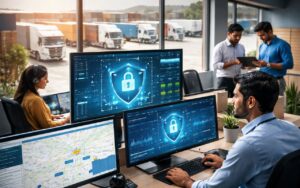
As logistics becomes digital, cybersecurity becomes critical. Protecting customer data, shipment details and financial records must remain a top priority.
At the same time, technology needs skilled people to operate it. Companies must invest in training drivers, planners and managers to use new tools confidently.
Technology works best when people understand and trust it.
Final Thoughts
Technology is no longer optional in logistics. AI, IoT, digital twins and data analytics help companies move goods faster, safer and at lower costs. Emerging tools like AR, blockchain and autonomous systems continue to open new possibilities.
Logistics leaders who adopt these trends thoughtfully will stay competitive and future-ready. Those who delay risk falling behind in a fast-moving industry.
The future of logistics belongs to companies that blend smart technology with skilled people and clear strategy.