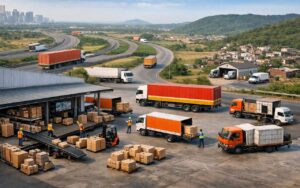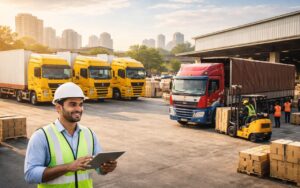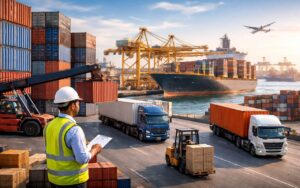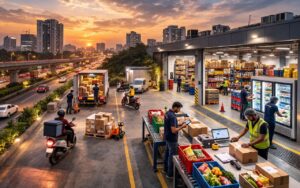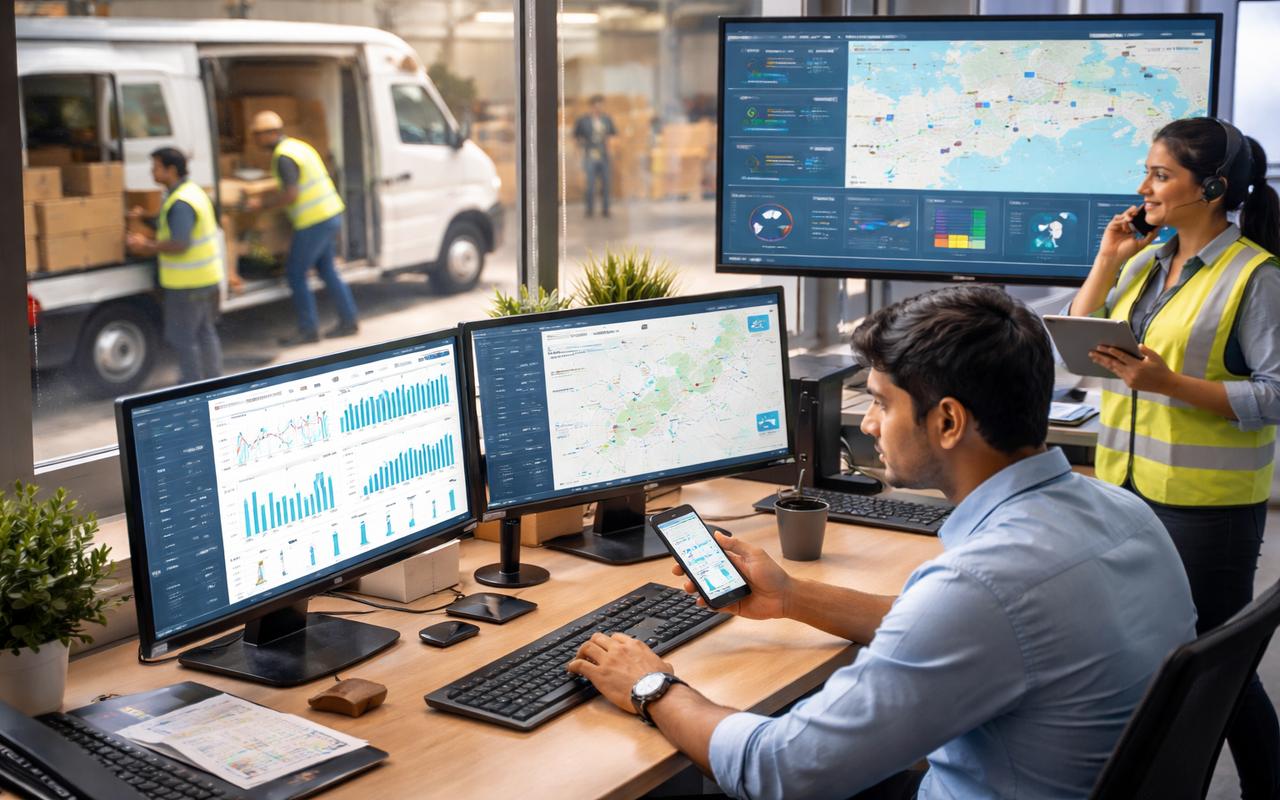
Logistics today runs on more than trucks and warehouses. It runs on data. Every scan, location update, delivery confirmation, and customer click creates information that can guide better decisions. Companies that learn to use this data well move faster, waste less, and serve customers better.
Think of data as the dashboard in a car. Without it, the driver guesses speed, fuel level, and distance left. With it, the driver adjusts smoothly and avoids problems early. Logistics works the same way.
Why data matters in modern logistics
Modern logistics companies handle thousands of shipments every day. They must plan routes, manage inventory, and meet tight delivery timelines. Doing this by instinct or past habit no longer works.
Data helps companies track performance clearly. Managers can see how long deliveries take, where delays happen, and which routes cost more. With this insight, they stop reacting late and start planning ahead.
For example, if data shows that a route slows down every Friday evening, planners can reschedule dispatch times or add vehicles. This simple change can reduce delays without adding major costs.
Centralized data leads to better decisions
Many logistics problems start with scattered information. One team tracks orders, another tracks vehicles, and another handles customer calls. When data sits in different places, teams work with partial views.
Centralized data brings everything together. It shows orders, vehicles, inventory, and customer updates on one screen. This clear view helps teams act faster and with confidence.
Imagine running a kitchen where ingredients sit in different rooms. Cooking becomes slow and chaotic. A central pantry makes work smooth. Centralized logistics data works the same way.
Dashboards turn numbers into clarity
Dashboards help teams understand data quickly. They replace long reports with simple visuals that show what matters most.
A logistics dashboard can display:
- On-time delivery rates
- Vehicles currently on the road
- Delays and their causes
- Inventory levels at each location
When teams see this information live, they respond immediately. If deliveries are slow in one area, managers can reroute vehicles or inform customers before complaints begin.
GPS tracking and real-time visibility
GPS tracking brings transparency to logistics operations. Companies can see where every vehicle is and how fast it moves.
This visibility helps in many ways. Dispatch teams can guide drivers around traffic. Customer service teams can answer questions confidently. Customers feel reassured when they know exactly where their shipment is.
It feels similar to tracking a food order on your phone. Seeing the rider approach reduces stress and builds trust. Logistics customers expect the same clarity.
Mobile apps connect drivers and customers
Mobile apps make data useful on the ground. Drivers update delivery status instantly. Customers receive alerts without calling support.
With mobile apps, drivers can:
- Confirm pickups and deliveries
- Report delays or issues
- Receive route updates in real time
Customers benefit too. They get notifications when shipments leave the warehouse, reach nearby hubs, or arrive at the doorstep. This flow of information reduces confusion and missed deliveries.
Predictive analytics prevents problems early
Predictive analytics uses past data to forecast what may happen next. It helps logistics teams act before issues grow.
For example, if data shows that demand spikes during festivals, companies can add vehicles and staff early. If weather patterns suggest delays, routes can change in advance.
This approach feels like checking the weather before leaving home. You carry an umbrella not because it is raining now, but because data says it might rain soon.
AI improves scheduling and reliability
AI models go one step further by learning patterns automatically. They help plan routes, schedule vehicles, and manage inventory with greater accuracy.
AI can suggest the best delivery sequence based on traffic, distance, and delivery priority. It can also adjust schedules in response to changing conditions.
This results in more reliable service. Deliveries arrive when promised. Resources get used efficiently. Costs stay under control.
Better data creates better customer experiences
Data-driven logistics improves customer experience in visible ways. One example is the 30-minute delivery window. Instead of waiting all day, customers know exactly when to expect a delivery.
Personalized notifications add another layer of comfort. Customers receive updates that match their order status and location. This personal touch builds trust and loyalty.
When customers feel informed and respected, they stay longer and recommend the service to others.
The future belongs to data-driven logistics
Data-driven logistics is no longer optional. It defines how companies compete and grow. With clean data, clear dashboards, real-time tracking, and smart analytics, logistics teams move from guesswork to precision.
The result is simple. Lower costs, smoother operations, and happier customers. In a fast-moving world, data gives logistics companies the confidence to deliver better every day.