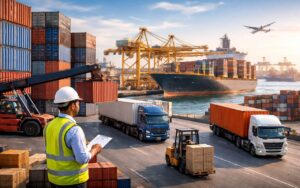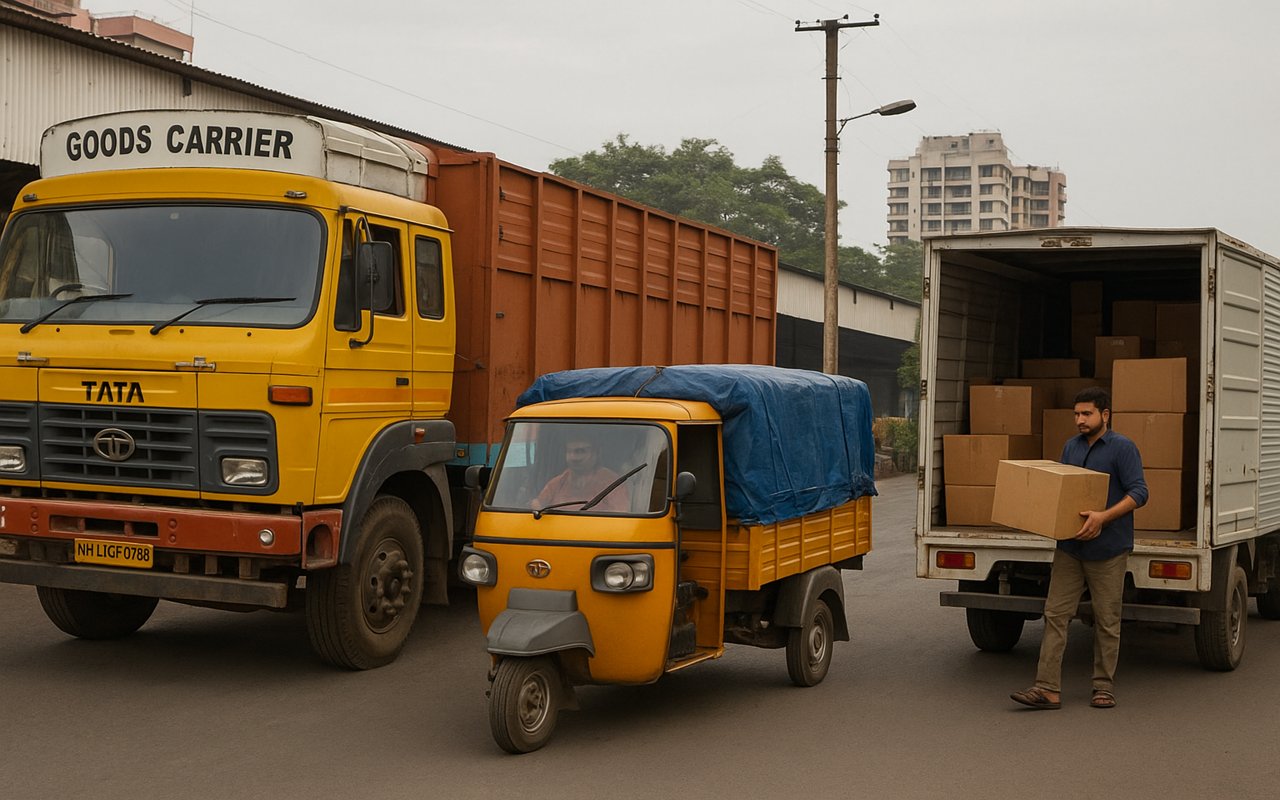
Every business depends on the smooth flow of goods. Whether you are moving raw materials to a factory, shipping finished products to distributors, or delivering parcels to customers, the logistics system you choose directly affects cost, delivery speed and customer satisfaction. Today, companies can pick from many logistics solutions like full truckload, part truckload, less than truckload, warehouse support, last mile delivery and even reverse logistics for returns. Understanding how each one works helps you choose the right mix for your business needs.
Understanding the Logistics Spectrum
Full Truckload (FTL)
Think of FTL like booking an entire bus for your group. You hire the whole truck even if it is not completely full. This works best when you have large volumes, fixed suppliers or time-sensitive cargo. Since the truck moves directly from pickup to destination, transit time is faster and there are fewer breaks in the journey.
Part Truckload (PTL)
PTL is similar to sharing a taxi with another passenger who is heading in the same direction. You pay only for the space your goods occupy. It suits medium-sized shipments. Transit time is usually quicker than LTL because trucks make fewer stops and the freight handling is lower.
Less Than Truckload (LTL)
LTL is ideal for smaller consignments. It works like a courier service that picks up parcels from many customers and consolidates them at hubs. Because shipments pass through multiple touch points, the cost is low and the service is flexible. It is perfect for businesses that send regular but small orders across different cities or states.
Warehouse and Inventory Solutions
Warehousing is more than storage. It keeps products closer to customers, which reduces delivery time and transport cost. Modern warehouses use digital tracking and organised layouts so businesses can monitor stock levels easily. A good warehouse partner helps you plan peak season demand, avoid stockouts and optimise replenishment.
Last Mile Delivery
The last mile is the final trip from the warehouse or hub to the customer. It can be the shortest leg of the journey but often the most challenging. For example, a truck may reach a city quickly, but narrow streets, multiple delivery attempts and customer timing preferences can slow down the final handover. A reliable last-mile network improves customer experience and supports fast commerce expectations.
Reverse Logistics
Reverse logistics handles the movement of goods from customer back to seller. Returns are common in ecommerce, retail and spare parts supply. If the process is slow, customers lose trust and products get damaged or stuck in transit. A structured reverse logistics solution makes returns smooth and cost-effective while helping businesses recover value from the goods.
How End-to-End Logistics Works
A typical logistics journey starts with order placement. Once an order comes in, transport planning begins. The system checks availability of trucks, routes and warehouse space. After dispatch, tracking tools let businesses monitor the vehicle and estimate arrival time. When the shipment reaches its destination, last-mile delivery takes over and completes the final drop. In case of returns, reverse logistics picks the goods, inspects them and brings them back into the supply chain.
When all these steps work together under one integrated partner, businesses enjoy smoother operations. For example, if a company uses separate vendors for trucking, warehousing and last-mile delivery, each one may follow different schedules or communication methods. This often leads to delays and confusion. With a single integrated provider, information flows easily and responsibilities are clear.
Common Challenges Without a Good Logistics Partner
Businesses often struggle when they choose the wrong logistics solution. Some common issues include:
- High transportation cost because trucks run half empty or take longer routes.
- Slow delivery times because multiple vendors do not coordinate well.
- Poor order visibility which leads to customer complaints and uncertainty.
- Inventory pileups when warehouses do not sync with demand.
- High return losses due to poor reverse logistics planning.
A simple example is a small furniture brand that sells online. If it uses a budget carrier without proper tracking, customers may not know when their order will arrive. Failed delivery attempts increase cost. Late pickups for returns lead to damaged goods. A reliable partner with proper planning tools would prevent many of these problems.
How to Select the Right Logistics Provider
When choosing a logistics partner, look for three qualities: technology, scalability and reliability.
- Technology: A good partner offers live tracking, digital proof of delivery and automated alerts. This reduces manual calls and improves transparency.
- Scalability: Your logistics needs may grow during festivals or new product launches. The provider should handle higher volumes without breakdowns.
- Reliability: Check whether the company has a strong network, trained staff and tested processes. On-time delivery should be consistent, not occasional.
It also helps to review case studies, talk to existing customers and evaluate the provider’s problem-solving approach.
Future Trends in the Logistics Industry
The logistics industry is entering a new phase. Digital highways are improving route planning and vehicle movement. Automation in warehouses speeds up sorting and packing. Many companies are shifting to electric fleets to reduce fuel cost and emissions. Predictive logistics uses data to forecast delays and suggest faster routes.
These trends show a future where logistics will be faster, cleaner and more connected. Businesses that adopt these solutions early will enjoy better performance and stronger customer trust.