PTC Tech Platform Enabler
Modern logistics technology platforms have evolved from simple tracking tools into comprehensive ecosystems that integrate AI, IoT, and cloud computing. For customers—whether they are individual consumers (B2C) or business shippers (B2B)—these platforms provide a bridge between complex global supply chains and a seamless, transparent delivery experience.
In the world of freight, technology platforms act as a digital “brain” that optimizes how trucks are filled and moved. Whether a company needs a Full Truckload (FTL)—an entire dedicated truck—or a Part Truckload (PTL)—sharing space with others—integrated platforms are providing specific solutions to age-old inefficiencies.
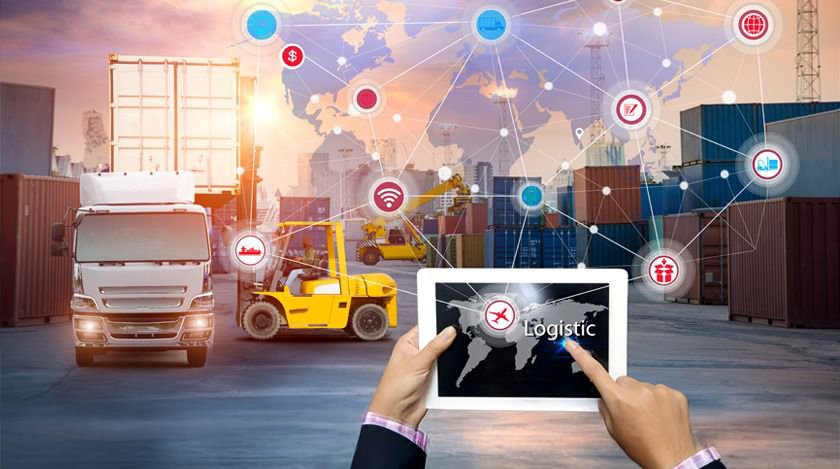
Key Features of Logistics Technology Platforms
The most advanced platforms focus on “predictive” rather than “reactive” management.
Real-Time Visibility & GPS Tracking
Provides live updates on shipment locations. It has moved beyond "point-to-point" updates to continuous, map-based visual tracking.
Predictive ETAs (AI-Powered)
Uses machine learning to analyze traffic, weather, and historical data to provide highly accurate delivery windows.
Dynamic Route Optimization
Algorithms automatically adjust delivery routes in real-time to avoid delays, reducing fuel consumption and travel time
IoT Condition Monitoring
Sensors track environmental factors like temperature (for pharmaceuticals/food), humidity, and shocks (for fragile goods).
Automated Proof of Delivery (ePOD)
Digital signatures, photos, and timestamps are captured instantly upon delivery, reducing disputes and paperwork.
Centralized Communication Hubs
Features like AI chatbots and integrated messaging allow customers to resolve issues or change delivery instructions without calling a support line.
Seamless API Integrations
Platforms plug directly into E-commerce or ERP systems for automated order flow
Full Truckload (FTL) Management
FTL is about speed, security, and direct movement. Technology helps companies maximize the value of these expensive assets.
- Automated Freight Matching: AI algorithms match FTL shipments with the best-suited carrier based on truck type (flatbed, reefer, dry van), historical performance, and proximity to the pickup point.
- Smart Contract Management: Platforms digitize the "indenting" process. Instead of phone calls, the system automatically sends a request to pre-approved vendors at pre-negotiated rates.
- Predictive "Backhaul" Planning: To avoid the "empty mile" problem (a truck returning empty after a delivery), platforms analyze the network to find a return load, ensuring the truck is profitable both ways.
- IoT-Enabled Security: For high-value FTL loads, "Smart Locks" and geo-fencing sensors alert the platform immediately if the truck deviates from its route or if the cargo doors are opened in an unauthorized zone.
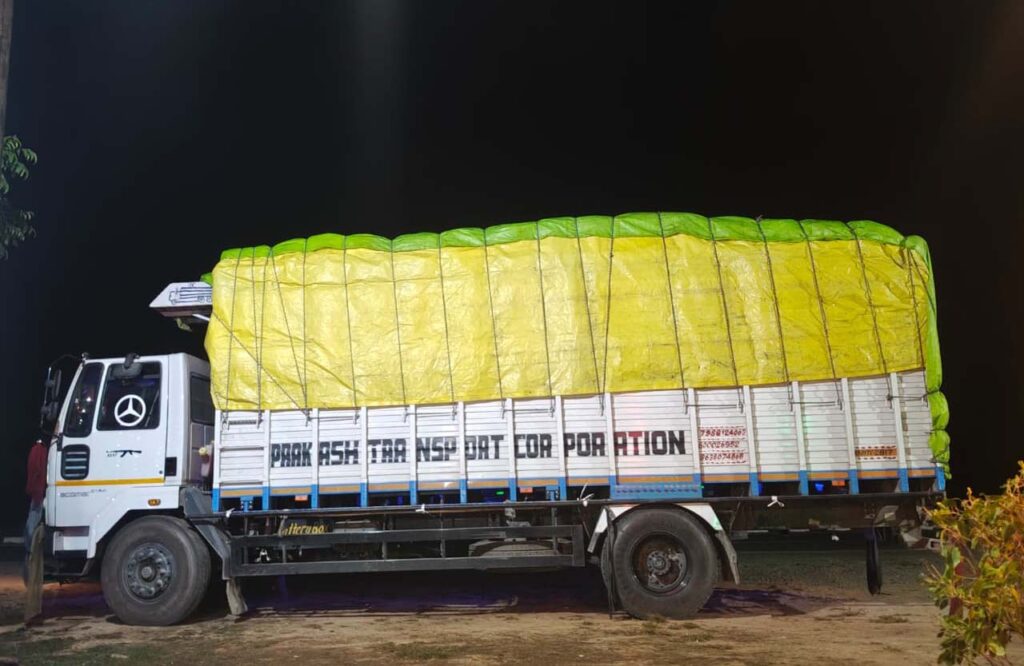
Part Truckload (PTL) Load Management
PTL is far more complex than FTL because it involves “carpooling” for cargo. Technology is the only way to manage this complexity at scale.
- Dynamic Load Consolidation: The platform's "Load Optimizer" looks at dozens of small PTL orders and calculates how to group them into a single truck to maximize volumetric efficiency. It ensures heavy items are on the bottom and fragile items are protected.
- Virtual "Lego" Loading (3D Visualization): Modern TMS (Transportation Management Systems) provide a 3D map of the truck's interior, showing loaders exactly where to place each pallet to prevent damage and ensure a "First-In-Last-Out" (FILO) unloading sequence.
- Mid-Mile Visibility: PTL shipments often change trucks at "hubs." Technology tracks each pallet individually (using RFID or QR codes) so the customer sees a continuous journey even if the cargo moves between vehicles.
- Fair Pricing Engines: Unlike FTL's flat rate, PTL costs are based on weight, volume, and density. Platforms automate these calculations instantly, providing "spot rates" that reflect current market capacity.
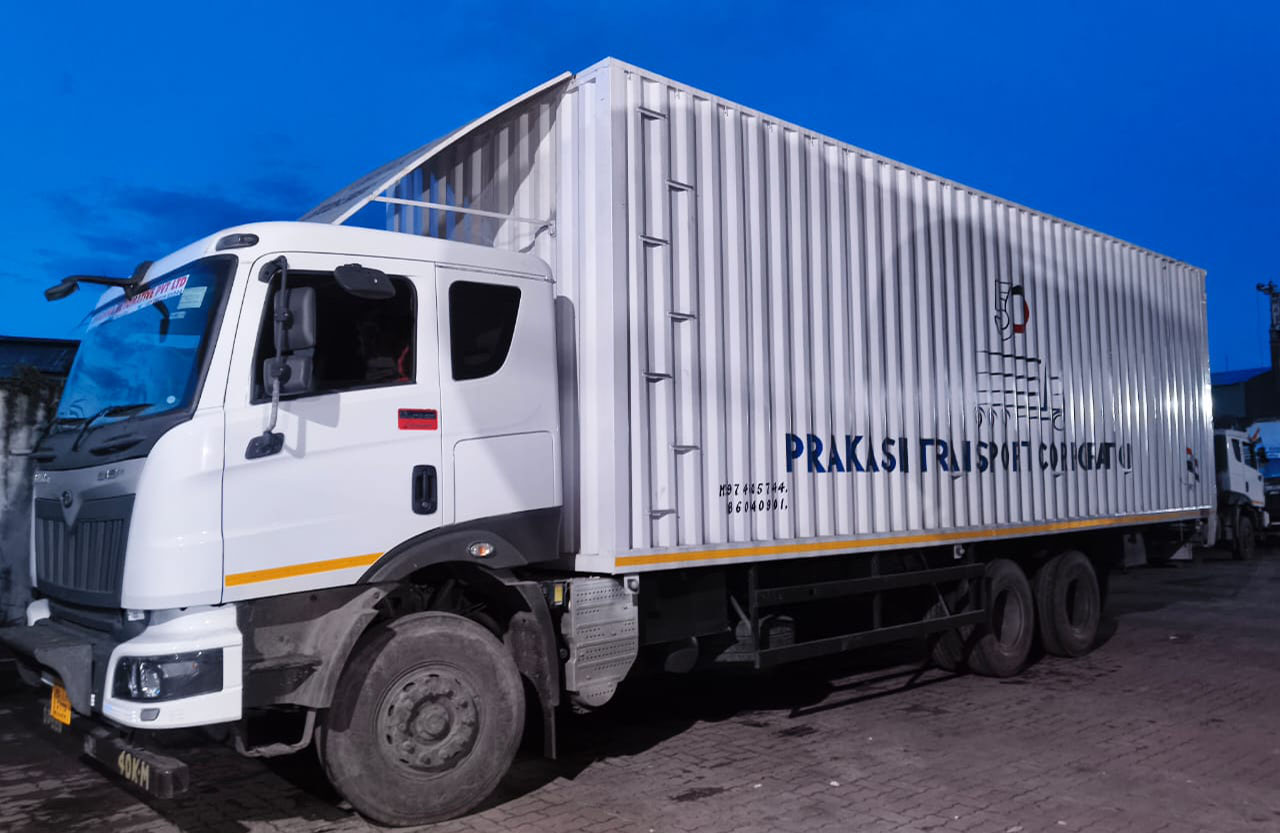
Here is how technology manages each specific stage of the freight lifecycle:
1. Truck Booking & Load Bidding
The manual process of “calling around for quotes” has been replaced by Digital Freight Matching (DFM).
- Spot Auctions: Shippers post a load, and pre-vetted carriers bid on it in a “Reverse Auction” (where the lowest price or best service rating wins).
- AI Matching: Algorithms suggest the best truck based on its proximity, the driver’s available “Hours of Service,” and their historical performance on that specific lane.
- Digital Indents: Once booked, a digital “Indent” or confirmation is instantly sent to the driver’s mobile app, containing all pickup details and GPS coordinates.
2. Loading & In-Plant Management
Technology moves from the cloud to the physical dock to ensure accuracy.
- Slot Management: Platforms allow drivers to book “loading slots” (like a doctor’s appointment), preventing long queues at the warehouse gate.
- Axle Load Sensors (IoT): Bluetooth-enabled sensors on the truck’s suspension measure the weight in real-time. This ensures the truck isn’t overloaded and that the weight is distributed legally across axles.
- E-Way Bill Integration: The platform automatically syncs with government portals to generate the necessary tax and transit documents as soon as the load is confirmed.
3. Real-Time Tracking
Tracking is no longer just about “where is the truck,” but “what is the status.”
- Control Towers: A central dashboard uses GPS and Telematics to monitor route deviations. If a driver stops for too long or takes a detour, an automated alert is triggered.
- Condition Monitoring: For sensitive cargo (food/medicine), IoT sensors stream live temperature and humidity data. If the “Cold Chain” is broken, the platform alerts both the shipper and driver immediately.
- Predictive ETAs: AI analyzes traffic, weather, and border crossing times to give the customer a “Live ETA” that is accurate within minutes.
4. Unloading & ePOD
The moment the truck arrives, the “Proof of Delivery” (POD) goes digital.
- Geofencing: The system automatically marks the truck as “Arrived” when it enters a virtual boundary around the warehouse.
- Electronic POD (ePOD): The receiver signs on the driver’s tablet or phone. The driver takes photos of the cargo to document its condition.
- OTP Verification: To prevent fraud, the receiver must provide a “One-Time Password” (OTP) sent to their registered mobile, confirming the right person received the right goods.
5. Billing, Audit & Payment
This is where the most significant time savings occur. Traditional billing took 30–60 days; now it can happen in hours.
- Automated Invoicing: The moment the e-POD is uploaded, the platform automatically generates an invoice.
- Freight Auditing: AI compares the final invoice against the original bid and the actual GPS track (to check for extra tolls or detention charges). If they match, the invoice is “Auto-Approved.”
- Smart Payments & Escrow: Many platforms now use integrated “Wallets” or Escrow services. Funds are held when the load is booked and released to the carrier the moment the digital unloading signature is captured.
Benefits to Customers
These features translate into tangible value for the end-user, focusing on cost, trust, and convenience.
Increased Trust & Reduced Anxiety
Transparency is the "currency" of modern logistics. When customers can see exactly where their order is, the volume of "Where Is My Order?" (WISMO) inquiries drop by up to 30%. This visibility fosters long-term brand loyalty.
Cost Savings
Optimized Shipping Rates: B2B customers benefit from automated rate comparisons and freight matching, ensuring they always get the best market price.
Lower Final Prices: For B2C, efficiency gains in "last-mile" delivery (which typically accounts for 50% of total shipping costs) allow retailers to offer lower shipping fees or free delivery.
Reliability & Faster Turnaround
AI-driven forecasting ensures inventory is positioned closer to the customer before they even order. This enables same-day or next-day delivery models that were previously impossible for smaller companies.
Effortless Returns (Reverse Logistics)
A modern platform makes returning an item as easy as receiving it. Features like QR-code-based "label-less" returns and automated refund triggers significantly improve the post-purchase experience.
Sustainability
Customers are increasingly choosing "green" brands. Logistics tech reduces carbon footprints by:
- Minimizing "empty miles" (trucks driving without cargo).
- Optimizing routes to reduce fuel consumption by up to 20%.
- Selecting EV (Electric Vehicle) routing options.
How PTC is using latest technology towards enabling into digital first approach?
Technology Platform, as an enabler is standardizing, automating and integrating the various processes of logistics to provide a seamless and real time experience to our valued customer at every mile with a smile.
- PTC tech platform enables easy order booking, order status tracking and consignment management.
- PTC tech platform enables customer wise consignment rate master (lane wise & vehicle wise rates) and tariff management.
- PTC tech platform enables real time vehicle tracking and efficient fleet management (vehicle and document verification).
- PTC tech platform enables dispatch planning, route mapping and vehicle allocation (loading and unloading confirmation).
- PTC tech platform enables real time shipment tracking using GPS and POD management.
- PTC tech platform enables e-invoicing and e-way bill integration, GST complaint invoicing management.
- PTC tech platform enables prompt customer complaint resolution using ticking system (customer experience and satisfaction).
- PTC tech platform enables API integration with ERP applications like SAP to TMS applications like Freight Tiger.
- PTC tech platform enables notification for vehicle, POD, billing reminders to exception delay alerts.
- PTC tech platform enables comprehensive MIS reporting for our customers using customized dashboards.