
PTC Green Logistics Division
What is Green Logistics and why it matters in Transport?
Green Logistics, also termed as sustainable logistics, is the practice of minimizing the environmental impact of supply chain activities (transport, warehousing, and distribution) by integrating eco-friendly principles, reducing emissions, waste, and energy use, while still maintaining economic efficiency and customer satisfaction.
Transport is a major carbon footprint area in the logistics chain. Aside from buying cleaner running vehicles, to limit emissions, it is necessary to use systems that assist delivery route planning and prioritize load pooling. Not only do you achieve higher efficiency in fleet management, but you also cut back the overall emissions produced by the transport.
Green Logistics involves considering the overall environmental footprint of a company when organising its logistics. It is applied to the entire supply chain and its objective is to reduce the company’s impact on the environment, without affecting its economic activity.
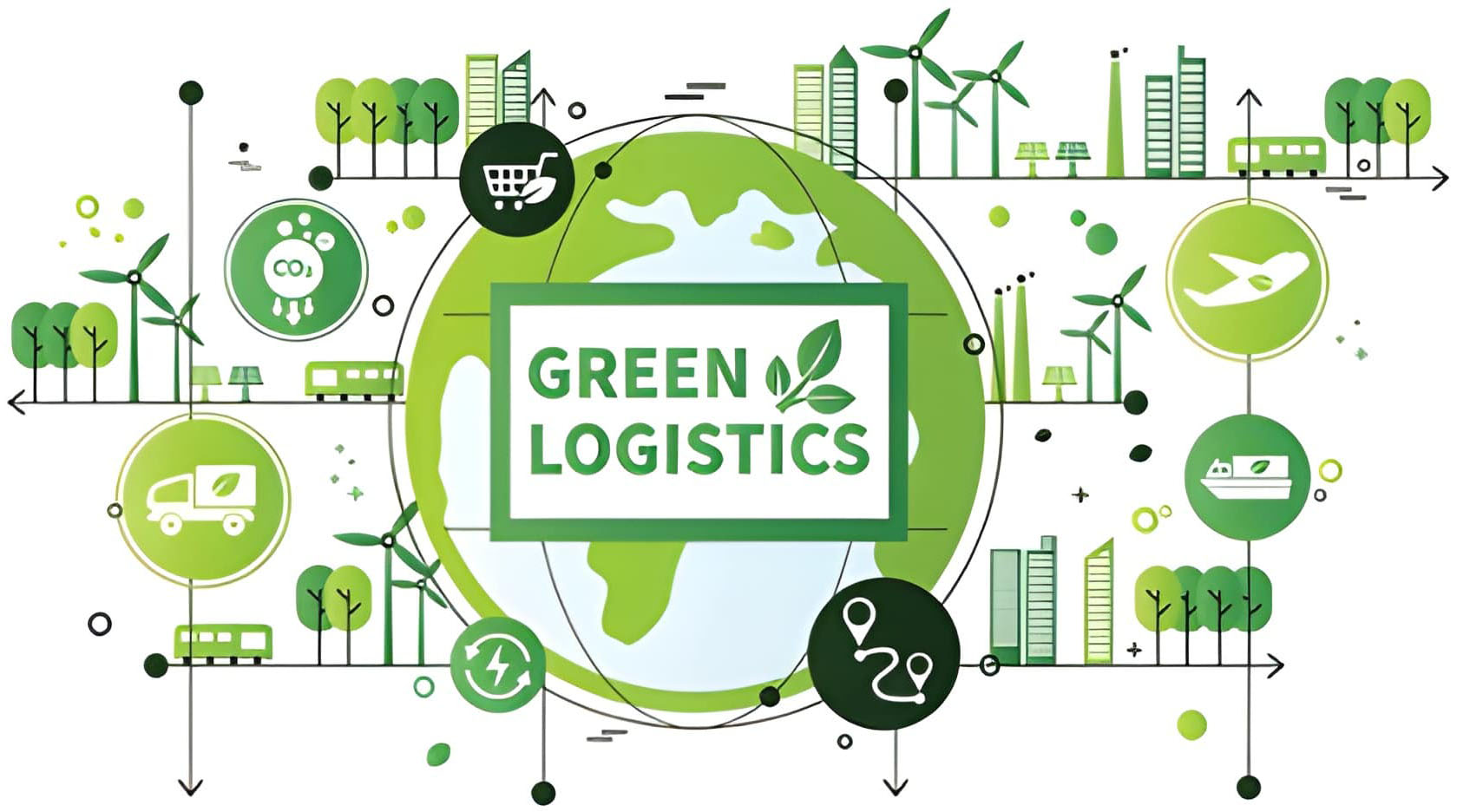
What are different aspects and facets of building Green Logistics?
Building a Green Logistics Company is a holistic endeavour that integrates environmental, social, and economic responsibility into every facet of its operations. It moves beyond simple compliance to become a core business strategy that drives long-term efficiency and brand value.
Here are the different facets and aspects of building a truly sustainable logistics business, structured around the three widely accepted pillars of sustainability (Triple Bottom Line): Environmental, Social, and Economic.
- Green Transportation: Using electric/alternative fuel vehicles, optimizing routes, and reducing miles travelled to cut emissions.
- Sustainable Warehousing: Implementing energy-efficient lighting, HVAC, solar power, and smart systems in distribution centres.
- Eco-friendly Packaging: Using recyclable, biodegradable, or reusable materials to reduce waste.
- Waste Management: Implementing waste sorting, recycling programs, and reducing paper usage within logistics.
- Reverse Logistics: Managing the return of products efficiently to promote a circular economy.
- Technology Integration: Using AI, machine learning, and real-time data for smart planning and automation.
How progressive thinking Companies are adapting to practices of Green Logistics?
Green Transportation and Fleet Management:
Transportation is often the largest source of emissions in logistics. Adoption in this area should focus on efficiency and clean alternatives.
- Route Optimization: Utilize AI-driven route optimization software to find the shortest, most fuel-efficient paths, reducing travel distance, fuel consumption, and idle time.
- Fleet Modernization: Transition the fleet to Electric Vehicles (EVs), hybrid vehicles, or vehicles using alternative fuels like bio-fuels to Compressed Natural Gas (CNG).
Sustainable Warehousing and Facilities:
Focus on energy efficiency and optimal resource use within all physical facilities.
Energy Efficiency:
- Switch to LED lighting and install energy-efficient HVAC (Heating, Ventilation, and Air Conditioning) systems.
- Utilize smart automation and sensors to manage lighting and temperature based on real-time needs.
- Invest in renewable energy sources like solar panels on warehouse rooftops.
Waste Management and Reverse Logistics:
Adoption should embrace the principles of a circular economy — Reduce, Reuse, Recycle, and Recover.
Sustainable Packaging:
- Reduce the amount of packaging material used across the value chain (right-sizing).
- Switch to recyclable, biodegradable, or compostable packaging materials.
- Encourage the use of reusable containers or cardboard pallets instead of single-use materials.
Reverse Logistics: Establish a robust system for managing the return of products. The focus should be on:
- Refurbishment and Repair to extend product life.
- Recycling materials that cannot be reused.
- Responsible disposal of hazardous or non-reusable waste.
Supply Chain Collaboration and Measurement:
A logistics company’s environmental impact extends beyond its own operations.
- Carbon Footprint Measurement: The company must first measure and track its carbon footprint across Scope 1 (direct), Scope 2 (purchased energy), and Scope 3 (value chain) emissions. Using this data to set science-based targets.
- Supplier Collaboration: Prioritize and partner with suppliers, carriers, and 3PL/4PL providers who adhere to high environmental sustainability standards (e.g., ISO 14001 certification). Setting shared green goals.
What initiatives PTC is taking towards transforming into a Green Logistics Company?
Green Logistics, the division is dedicated to redesigning and managing the entire supply chain to minimize its environmental impact while maintaining or improving efficiency.
- PTC in its Corporate Office has put LED lighting and installed energy-efficient HVAC.
- PTC in its Corporate Office has used renewable energy sources like solar panels on the office rooftops.
- PTC in its Warehouse Facility has used renewable energy sources like solar panels on warehouse rooftops.
- PTC in its Branch Offices is planning to shift to LED lighting and use of renewable energy sources.
- PTC is in the process of adopting Electric & Hybrid Vehicles to it new Fleet Management setup.
- PTC is adopting AI software tools for route planning and optimisation in selected regions and routes.
- PTC is in the process of switching completely into to recyclable, biodegradable, or compostable packaging materials.
- PTC is in the process of setting a carbon tracking management system to measure and monitor the carbon footprint.
- PTC is in the process of building awareness and training the employees on the importance of going green.
- PTC is in the process of identifying fleet owners and partners who have adopted and are keen on migrating towards green logistics practices.

The core mission of the Company is to promote sustainability across all logistics operations from sourcing and warehousing to transportation, packaging and disposal.

