India’s warehousing sector is going through one of the biggest transformations in its history. What was once seen as simple storage space has now become a strategic backbone for e-commerce, manufacturing, and logistics. With faster deliveries, rising customer expectations, and pressure to reduce costs, warehouses across the country are evolving quickly.
This shift toward next-generation warehousing focuses on three clear themes: automation, sustainability, and scalable growth.
Warehousing demand is at an all-time high
Warehouse demand in India has surged over the past few years, driven mainly by e-commerce expansion and increased manufacturing activity. In 2024 alone, the top eight cities recorded 56.4 million square feet of warehouse leasing, which marked a 12 percent increase over the previous year. This momentum only strengthened in 2025. During the first half of the year, India saw 27.1 million square feet of warehouse space leased, reflecting a strong 63 percent year-on-year growth.
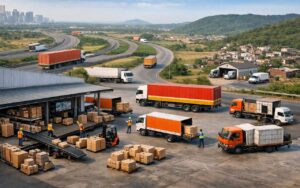
Third-party logistics providers and e-commerce companies are leading this demand. Together, they account for more than half of the newly leased space as they expand fulfillment networks closer to customers. You can see this shift clearly along major highways and near metro cities, where large distribution centers now replace scattered storage points. The idea is simple. Keeping goods closer to customers cuts delivery time and lowers transport costs.
Automation is no longer optional
As order volumes rise, warehouses face pressure to process goods faster while reducing mistakes. Manual operations struggle to keep up, which is why warehouse automation in India is growing rapidly. The warehouse automation market is expected to grow at nearly 18 percent annually and more than double in value by 2030.
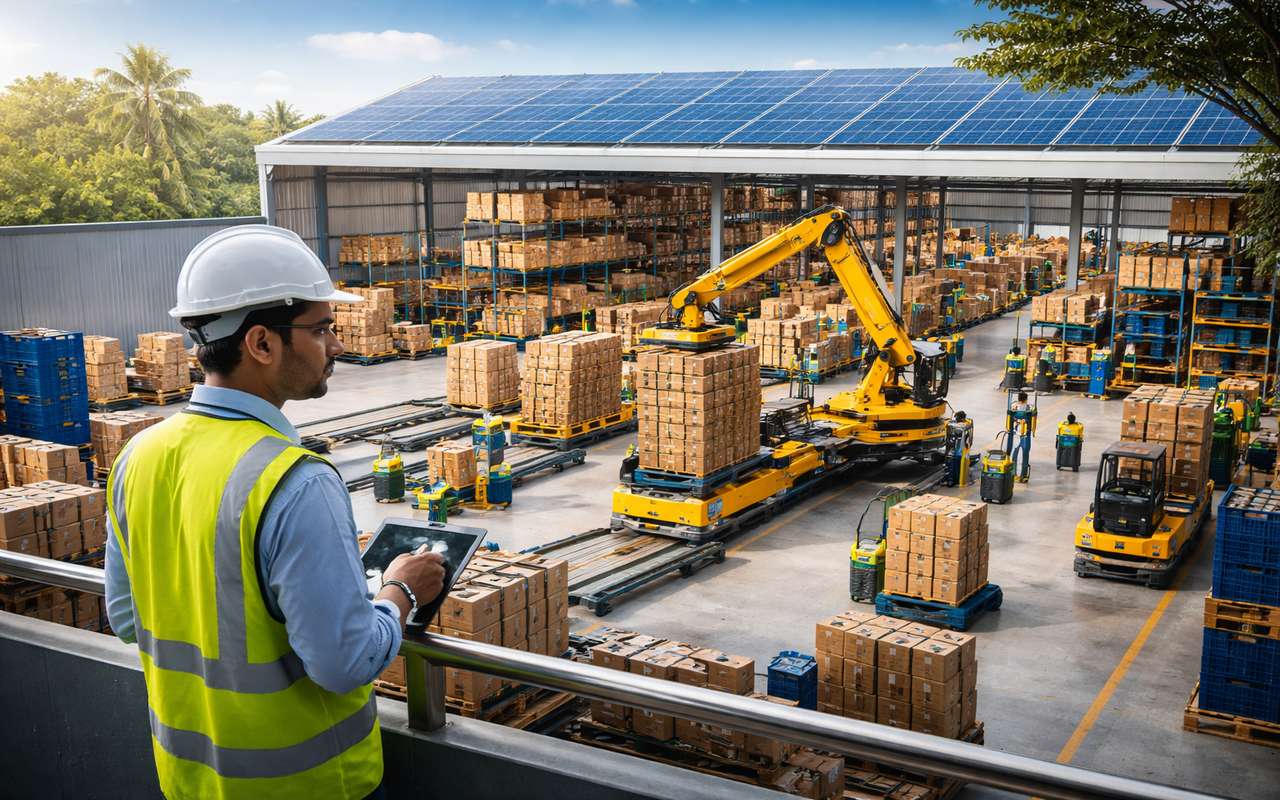
Automation does not always mean fully robotic warehouses. Many facilities start small. Barcode scanning replaces manual registers. RFID tags track inventory in real time. Conveyor belts move packages instead of workers carrying loads across large floors. These changes reduce errors, speed up dispatch, and improve visibility.
For example, an e-commerce warehouse that once needed hours to locate missing stock can now track items instantly through a digital dashboard. Even mid-sized warehouses benefit from these tools because they help teams work smarter, not harder.
Rise of Grade A and tech-enabled warehouses
India is steadily moving away from small, unplanned godowns toward large Grade A warehouses that meet global standards. These facilities offer higher ceilings for vertical storage, level docking bays, proper fire safety systems, and sufficient parking for trucks.
Developers now design many of these warehouses with automation in mind from day one. Strong flooring supports heavy racking systems and automated equipment. Layouts allow smooth movement of goods from inbound to outbound areas. Most importantly, these warehouses run on Warehouse Management Systems that coordinate inventory, labor, and dispatch in one place.
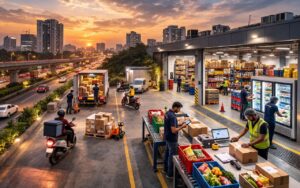
For businesses, this translates into better storage conditions, faster order processing, and fewer disruptions. While cities like Delhi-NCR, Mumbai, Bengaluru, and Chennai remain key hubs, tier-two cities are gaining importance. Companies want regional warehouses to serve local markets more efficiently, much like neighborhood fulfillment centers that reduce delivery distance.
Sustainable warehousing gains momentum
Warehouses consume large amounts of energy for lighting, cooling, and cold storage operations. As energy costs rise and environmental responsibility gains importance, sustainable warehousing has moved from an option to a necessity.
India’s certified green warehouse stock is expected to quadruple by 2030. New facilities increasingly feature solar panels that generate on-site power, LED lighting with motion sensors, and natural ventilation to reduce cooling needs. Rainwater harvesting systems also help manage water usage.
These green features deliver a double benefit. They reduce the carbon footprint while lowering long-term operating costs. For global companies and multinational clients, sustainability often plays a key role when choosing warehouse partners. A green warehouse is not just good for the environment. It also strengthens brand trust.
Flexible and specialized storage solutions expand
Modern supply chains no longer follow a one-size-fits-all model. Businesses need flexibility, especially during seasonal demand spikes. This has led to the rise of on-demand warehousing, where companies can rent space for short durations instead of committing to long leases.
Think of it as a cloud service for storage. A retailer can add warehouse space during festive seasons and scale down afterward. This model helps small and medium businesses manage growth without heavy fixed costs.
At the same time, specialized warehouses are gaining ground. Cold storage facilities for food, pharmaceuticals, and vaccines continue to expand. Temperature-controlled warehouses now support everything from online grocery delivery to medical supply chains. These investments ensure product safety while meeting strict compliance standards.
The road ahead for warehouse automation in India
India’s warehousing story is no longer just about space. It is about speed, efficiency, and responsibility. Automation improves accuracy and turnaround time. Grade A facilities create reliability. Sustainable practices lower costs and environmental impact. Flexible storage models support businesses of all sizes.
Together, these trends are shaping the future of warehouse automation in India. As demand grows, next-generation warehouses will play a vital role in keeping India’s supply chains resilient, competitive, and ready for long-term growth.