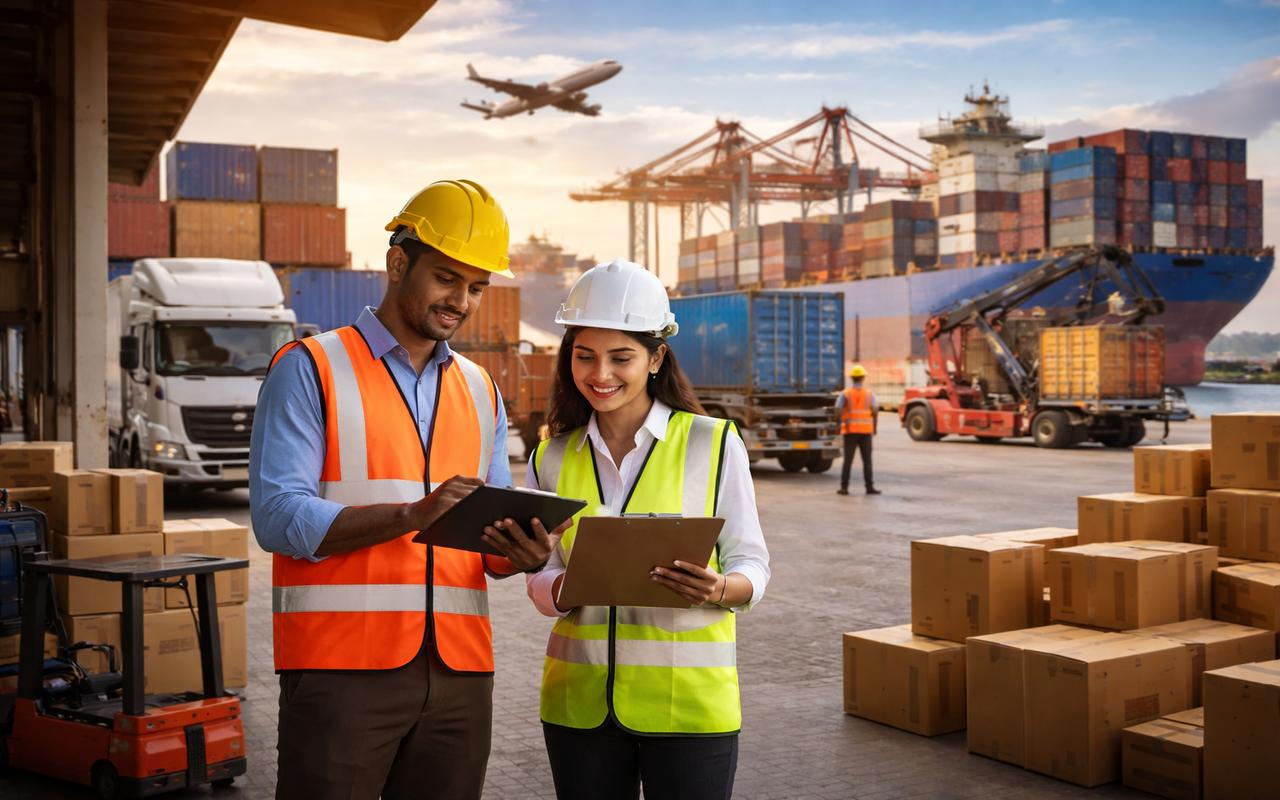
Global trade keeps expanding. Goods move faster and farther than ever before, opening new markets for businesses and logistics providers. At the same time, this growth brings real challenges. Customs rules differ by country, tax structures change often, and long delivery routes increase the chance of delays. To succeed in this environment, companies must focus on resilience, not just speed or cost.
Why supply chain resilience matters more than ever
Recent global events clearly showed how fragile supply chains can be. During the pandemic, factories shut down, ports slowed operations, and transport routes broke down without warning. Many companies depended on a single supplier or one main shipping route. When that link failed, production stopped.
Think of a supply chain like an electrical system in a building. If all the power flows through one wire, a small fault can shut down everything. If there are backup lines, the lights stay on. Resilient supply chains work the same way. They rely on alternatives that keep goods moving even during disruptions.
Managing risks in global trade
Global trade risk does not come from one source. It comes from many small issues that can add up quickly.
Customs regulations often change, especially during geopolitical or economic shifts. A shipment delayed at a border can disrupt factory schedules and customer deliveries. International taxes and duties also affect final costs, making accurate planning essential. Long transit times increase exposure to weather issues, labor strikes, or fuel price changes.
Companies that plan only for normal conditions struggle when something unexpected happens. Those that plan for disruption recover faster and protect customer trust.
Building resilience with smart planning
Resilient supply chains start with smart design. One key step involves working with multiple suppliers instead of relying on one source. If one supplier faces issues, another can step in.
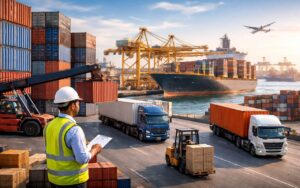
Flexible routes also play an important role. For example, if a port becomes congested, companies with access to alternative ports or inland transport options can redirect shipments quickly. This flexibility reduces delays and prevents stock shortages.
Inventory planning also needs a fresh approach. Instead of keeping all stock in one location, businesses can spread inventory across regional hubs. This method shortens delivery times and reduces the impact of local disruptions. It works like keeping spare tyres in more than one garage instead of just one.
Using technology to respond faster
Technology acts as the control room of a modern supply chain. Transport Management Systems, often called TMS, help companies plan routes, track shipments, and manage costs from one platform. With a clear view of operations, teams can make better decisions faster.
Real time visibility tools show where goods are at any moment. If a shipment slows down, managers can act immediately instead of waiting for reports. This quick response can mean the difference between a small delay and a major disruption.
For example, when a delivery truck gets stuck due to road closures, real-time tracking allows the team to reroute it instantly. Without visibility, the issue might surface only after the delivery deadline passes.
India’s Logistics 4.0 push
India is moving steadily toward Logistics 4.0, which blends digital tools with physical operations. This approach uses AI, IoT sensors, and automation to improve efficiency and resilience.
Smart sensors track vehicle health and cargo conditions. AI systems predict delays and suggest better routes. Automated warehouses speed up loading and reduce human error. Together, these tools create supply chains that can sense problems early and adjust quickly.
This shift supports India’s growing role in global trade and strengthens domestic logistics networks.
Government support for resilient logistics
The Government of India supports this transformation through focused initiatives. The National Logistics Policy aims to lower logistics costs, improve coordination, and encourage digital adoption across the sector. It promotes smoother movement of goods and better use of technology.
The FAME scheme supports cleaner transport through electric vehicles. By encouraging sustainable mobility, it reduces dependence on fuel imports and supports long-term resilience. Cleaner fleets also face fewer restrictions in future regulations, helping companies stay compliant and competitive.
The road ahead
Building resilient supply chains is no longer optional. It has become a core business requirement. Companies that invest in flexible planning, smart inventory, and digital tools adapt faster to change. They protect operations, meet customer expectations, and grow with confidence.
Global trade will continue to evolve. Risks will not disappear, but with the right strategies and technology, logistics companies can turn uncertainty into an advantage. Resilience allows supply chains not just to survive disruptions, but to move forward stronger than before.