The world depends on logistics to move goods, support supply chains and keep businesses running. But this essential industry also contributes a large share of global greenhouse gas emissions. Trucks, warehouses, packaging and return shipments all add to the environmental footprint. As customers demand cleaner operations and governments push for stricter compliance, companies now see green logistics as a practical path to sustainability and long-term growth.
Green logistics focuses on reducing carbon emissions, improving energy efficiency and cutting waste at every step of the supply chain. It is not only about protecting the planet. It also helps companies save money, build trust and stay competitive in fast-changing markets. With clear planning and the right tools, even small improvements can create meaningful change.
Why Green Logistics Matters
Traditional logistics depends heavily on fossil fuels. Diesel-powered trucks, energy-hungry warehouses and large volumes of single-use packaging together create significant pollution. For example, a typical delivery truck that runs all day can emit as much carbon as several households. If multiplied across thousands of daily vehicles, the impact becomes massive.
Beyond carbon, logistics also contributes to deforestation due to excessive packaging materials and generates waste that ends up in landfills. Noise pollution from transport hubs and long idling times near residential areas adds another layer of challenge.
Green logistics aims to solve these problems by encouraging cleaner transport, smarter energy use and responsible material handling. When companies adopt greener practices, they enjoy benefits such as:
- Lower fuel and energy costs
- Reduced carbon emissions
- Better brand reputation
- Lower regulatory risk
- Higher appeal to eco-conscious customers
A greener approach often unlocks efficiency too. A truck that uses less fuel or follows a smarter route saves money while reducing pollution.
Key Objectives of Green Logistics
Green logistics works around a few clear goals. These include reducing emissions, saving energy, cutting waste and protecting natural resources. Think of it as a shift from using more to using wisely.
1. Reduce Carbon Emissions
This is the main target. Companies aim to lower emissions from fleets, warehouses and packaging. Cleaner vehicles, alternate fuels and optimised routes all help.
2. Improve Energy Efficiency
Energy forms the backbone of logistics. Warehouses can use LED lighting, solar panels or battery systems to reduce consumption. Simple steps like better insulation or motion-controlled lights can cut power use significantly.
3. Use Responsible Packaging
Many businesses still use bulky boxes or plastic wraps that create waste. Green logistics supports recycled materials, reusable packaging and right-sized boxes. For example, a company shipping small electronics can switch from large cartons to compact eco-friendly boxes and reduce waste by half.
4. Reduce Waste and Promote Recycling
Lean processes minimise leftover inventory, expired goods or damaged items. Reverse logistics helps recover products, reuse parts and recycle materials.
5. Conserve Water and Reduce Noise
Transport hubs can reuse rainwater, treat wastewater and install noise control measures to support local communities.
Practical Strategies to Build a Green Logistics System
Green logistics sounds complex, but many actionable steps already exist. Companies can start small and scale gradually.
Switch to Electric or Hybrid Fleets
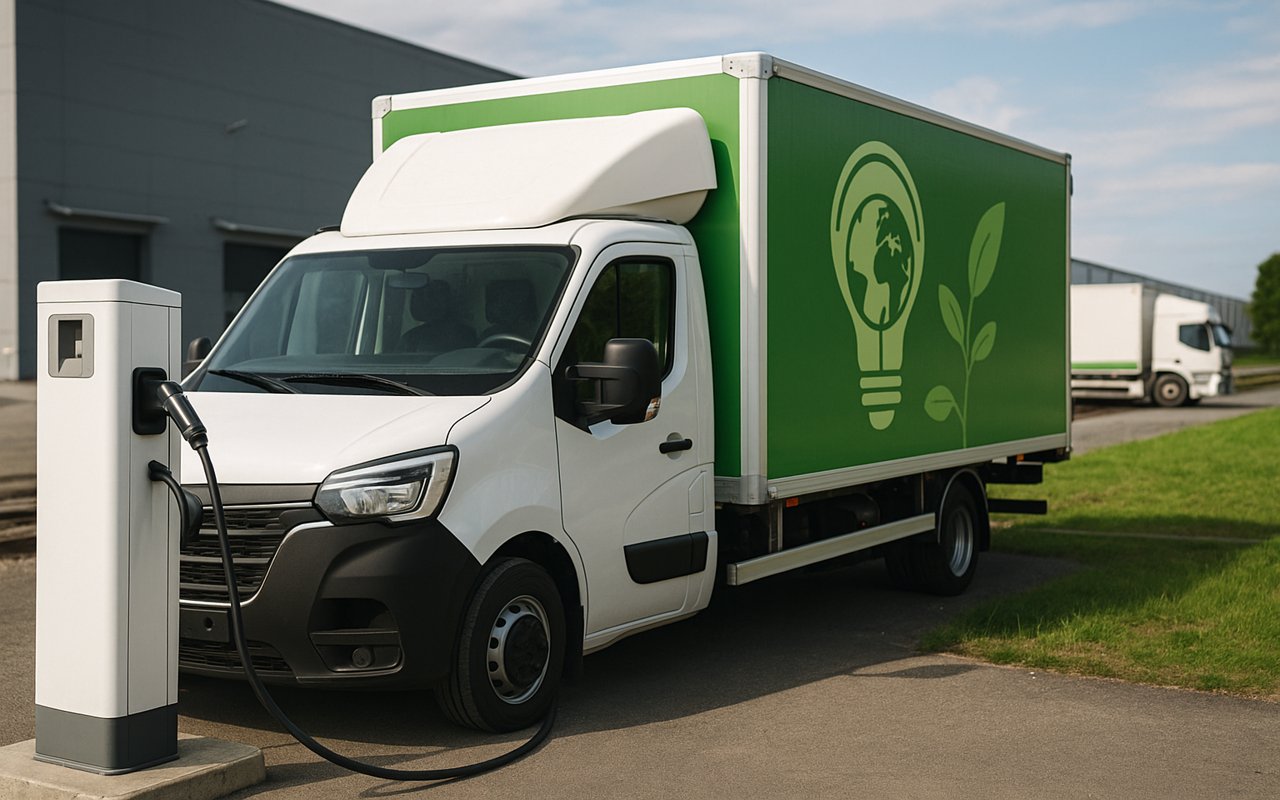
Electric trucks and vans are becoming more accessible. They work best for short to medium distance operations. Hybrid vehicles reduce fuel use for long routes. Many delivery companies already run electric three-wheelers in cities to cut emissions and reduce noise.
Adopt Route Optimisation
Smart route planning tools reduce empty trips and shorten travel time. This is similar to how a navigation app suggests a faster route to avoid traffic. When fleets use optimised routes, they burn less fuel and complete more deliveries in a day.
Design Energy Efficient Warehouses
Warehouses can reduce their carbon footprint by using natural lighting, skylights, solar power and energy efficient equipment. Installing vertical storage racks or automation also reduces energy spent on moving goods.
Use Sustainable Packaging
Replace plastic fillers with paper based alternatives. Use lighter materials to lower shipping weight. Encourage suppliers to follow the same approach so the entire chain becomes greener.
Implement Lean Inventory Systems
Storing more goods than required increases electricity use and material waste. Lean inventory makes stock movement smoother and reduces the risk of expired or damaged goods.
Strengthen Reverse Logistics
Returns do not need to be wasteful. A strong reverse logistics system repairs, resells or recycles products. For example, many electronics companies refurbish returned devices instead of discarding them.
Use Real Time Visibility Tools
Tracking shipments in real time helps prevent delays and reduces fuel used in unnecessary follow-ups. When companies know exactly where a truck is, they can adjust schedules, avoid road closures and reduce idling.
Shift Freight to Rail or Waterways
Rail transport emits far less carbon compared to road transport. Waterways are even more efficient for bulk cargo. Where possible, moving part of the journey to rail or water reduces emissions and lowers long-distance transport costs.
Explore Alternative Fuels
Electricity, hydrogen and methane offer cleaner options than diesel. These fuels are still developing, but early adopters already enjoy better efficiency and lower emissions.
A Greener Future for Logistics
Green logistics is not a trend. It is a necessary step for building sustainable supply chains. As fuel prices rise and customers expect responsible practices, companies that act early gain a strong competitive advantage. They save money, earn trust and help protect the planet.
Every improvement counts. Whether it is one electric van, a smarter route map or a recycled package, each step brings the logistics industry closer to a cleaner and more resilient future. By embracing green logistics, businesses move confidently toward a world where efficiency and sustainability go hand in hand.