India’s transport and logistics sector is changing fast. Rising fuel costs, tighter environmental rules, and growing customer awareness are pushing companies to rethink how goods move across the country. As a result, green logistics India is no longer a future idea. It is becoming a practical business choice. From electric delivery vehicles to solar-powered warehouses, sustainability is now part of daily logistics operations.
Electric vehicles are reshaping freight movement
Electric vehicles are one of the strongest global trends in logistics, and India is quickly catching up. In FY 2024, India recorded over 1.75 million EV sales. Most of these were electric two and three-wheelers, which are widely used for last-mile delivery in cities. This shift is easy to understand. An electric delivery van works much like a smartphone compared to an old feature phone. It costs less to run, needs fewer repairs, and produces no exhaust smoke.
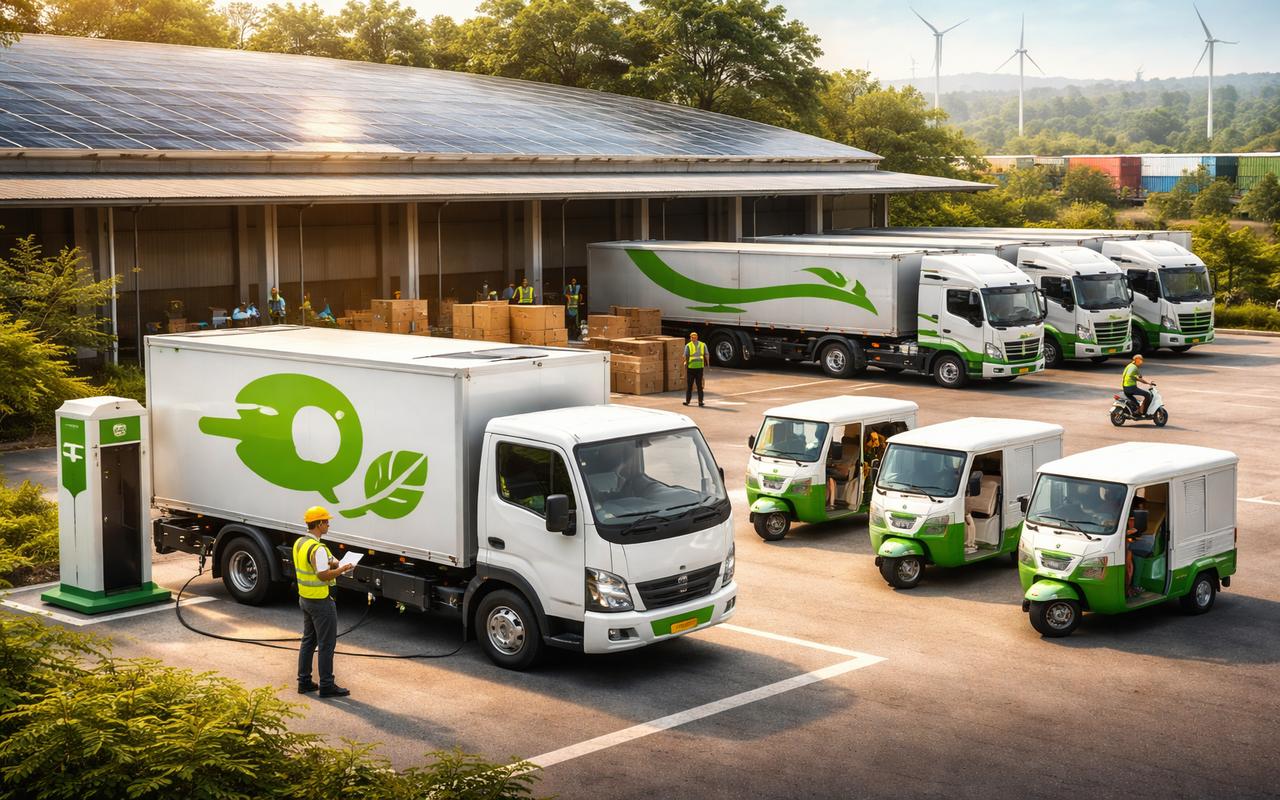
Logistics companies in Indian cities are now adding electric vans and light trucks for short routes. These vehicles suit urban deliveries where daily distances stay predictable. Operators benefit from lower cost per kilometer because electricity is cheaper than diesel. Drivers also prefer EVs because they are quieter and easier to drive in traffic. Zero tailpipe emissions further help companies meet sustainability goals without changing service quality.
Government policies are accelerating green transport
Strong policy support is one of the biggest reasons green logistics is gaining pace in India. The FAME II scheme offers subsidies for commercial electric vehicles, which lowers the upfront purchase cost for fleet owners. The government has also announced a large ₹11,000 crore push under the PM e-Drive initiative to expand EV adoption and charging infrastructure.
Charging access remains a common worry for fleet operators, similar to how mobile phones once raised concerns about battery life. To address this, more than 2,000 EV charging stations are planned along highways. This move will make electric trucks more practical for longer routes. Many states also offer local incentives such as road tax exemptions and registration benefits. Together, these steps encourage logistics firms to invest in electric fleets with more confidence.
Corporate sustainability goals drive real action
Sustainability commitments from large companies now influence logistics decisions across the supply chain. Leading e-commerce platforms and third-party logistics providers have set clear carbon reduction targets. To meet them, many are working directly with vehicle makers to deploy electric trucks at scale over the next few years.
Several operators already report that electric vehicles deliver lower total ownership costs than diesel trucks. Electricity costs less than fuel, and EVs have fewer moving parts, which cuts maintenance time and expense. For longer routes where EVs are still developing, companies use CNG or LNG trucks as a cleaner bridge option. This approach mirrors how hybrid cars gained popularity before full electric models became common.
Warehouses are becoming greener and smarter
Green logistics does not stop on the road. Warehouses and logistics parks also play a major role. Across India, companies are installing solar panels on warehouse rooftops to power lighting, offices, and charging stations. Rainwater harvesting systems help reduce water use, while energy-efficient layouts cut power consumption.
Some logistics parks now run partially on solar energy and use EVs or CNG vehicles for nearby deliveries. Green building certifications for warehouses are becoming more common, reflecting better insulation, natural lighting, and waste management practices. A few hubs have even created green zones with trees and pollution control systems. These steps improve the local environment while also lowering long-term operating costs.
Emission reduction aligns with India’s climate goals
Road freight contributes a meaningful share of India’s carbon emissions, estimated at around four percent of energy-related CO₂ output. Reducing this impact is essential for national climate targets. Green logistics focuses not only on cleaner vehicles but also on smarter operations.
Better load planning helps avoid empty return trips, much like carpooling reduces fuel use for daily travel. Companies are also shifting suitable freight to rail and inland waterways, which produce lower emissions per ton. Alternative fuels such as biodiesel and hydrogen are being tested for future use in trucks. When combined, electrification, efficiency improvements, and modal shifts create a strong foundation for sustainable transport.
The road ahead for green logistics in India
Green logistics in India is moving from pilot projects to real-scale adoption. Electric fleets, supportive policies, corporate responsibility, and greener facilities are working together to reshape the sector. For logistics providers, sustainability now offers both environmental value and business advantage.
As customers increasingly prefer responsible partners, companies that invest early in green logistics will stand out. The shift may take time, but the direction is clear. Cleaner transport, smarter operations, and sustainable infrastructure are shaping the future of Indian logistics.