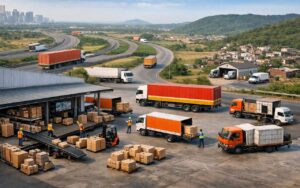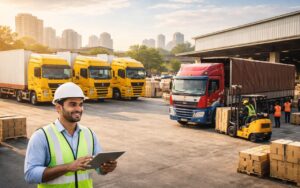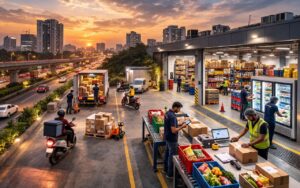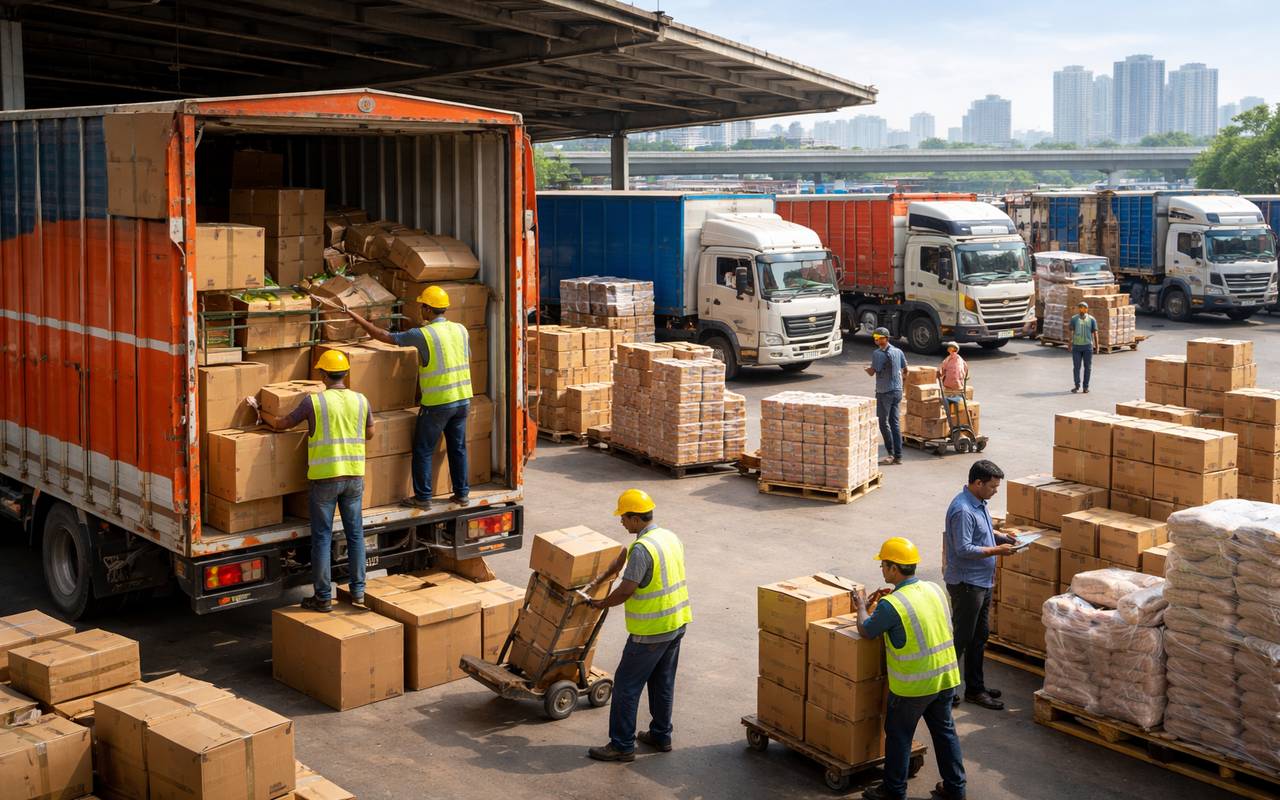
India’s e-commerce sector has changed how goods move across the country. From fashion and electronics to groceries and medicines, customers now expect faster deliveries, even for small orders. This shift has pushed businesses to rethink logistics. One clear winner in this transformation is part truckload services, also known as PTL logistics.
Instead of waiting to fill an entire truck, companies can now ship smaller loads more frequently by sharing truck space with other businesses. This model fits perfectly with the pace and scale of India’s digital commerce growth.
Why PTL Services Are Growing Rapidly in India
E-commerce businesses rarely ship in bulk to a single destination. Orders are spread across cities, towns, and even smaller pin codes. PTL allows multiple shippers to use the same truck, each paying only for the space they need.
Think of it like a shared cab versus booking a full taxi for yourself. If you do not need the whole vehicle, sharing makes more sense and costs less. This logic has made PTL attractive to online sellers, SMEs, and distributors.
The Indian PTL market reflects this demand. Industry projections estimate it could reach nearly USD 37 billion by 2030, growing at about 9.7 percent every year. Businesses now prefer frequent, smaller dispatches instead of holding inventory just to fill a full truckload.
Better Roads Are Powering PTL and FTL Growth
Infrastructure upgrades have played a major role in making PTL more reliable. Highways are smoother, routes are faster, and delays at toll plazas have reduced sharply.
The nationwide rollout of FASTag now covers over 98 percent of toll transactions. Earlier, trucks often spent around eight minutes at each toll booth. Today, that time has dropped to under a minute. For a long route with many tolls, this saves hours.
Large highway programs like Bharatmala have also improved connectivity. On several key routes, travel times have fallen by up to 50 percent. Faster roads help full truckload operators complete trips sooner, and they also allow PTL providers to plan dependable multi-stop deliveries without delays.
Logistics Hubs Are Making PTL More Efficient
PTL depends on smart consolidation. Small shipments from different clients need to come together, move efficiently, and then split again near the destination.
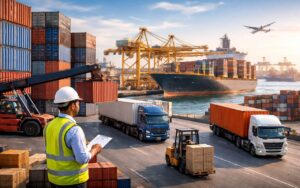
India is seeing steady growth in logistics hubs and consolidation centers to support this model. The government’s plan to develop 35 multimodal logistics parks is already underway. These parks act as central points where freight arrives, gets sorted, and moves out on optimized routes.
This hub-and-spoke system works much like airline networks. Instead of flying directly between every small city, planes move through major hubs. For PTL logistics, hubs help trucks run fuller, reduce empty miles, and improve delivery timelines.
Technology Is Simplifying Truckload Operations
Technology now plays a big role in making part truckload services smooth and predictable. Modern logistics platforms use route planning tools, vehicle tracking, and real-time load matching to improve efficiency.
Leading players such as Delhivery and TCI Express have built strong PTL networks across India. They operate automated sorting centers and digital tracking systems that give shippers clear visibility of their cargo.
These platforms work like ride-hailing apps for freight. Available truck space gets matched with part loads in real time. This improves truck utilization and helps businesses ship goods without long waiting periods.
Cold-Chain PTL Is Opening New Possibilities
One of the most promising developments in PTL logistics is shared cold-chain transport. Industries such as pharmaceuticals, dairy, and fresh food often ship small batches that still require temperature control.
Earlier, this meant booking an expensive dedicated refrigerated truck. Now, logistics providers offer shared reefer trucks where multiple clients move temperature-sensitive goods together.
With the help of cold-chain hubs and IoT-based temperature monitoring, these shipments remain safe throughout the journey. For small food producers or regional pharma distributors, cold-chain PTL reduces spoilage and lowers costs while maintaining quality.
What This Means for Indian Businesses
The rise of part truckload services gives businesses more flexibility. They can ship faster, manage inventory better, and respond quickly to customer demand. Small and mid-sized companies, in particular, gain access to nationwide distribution without high transport costs.
As e-commerce expands into smaller towns and rural markets, PTL logistics will become even more important. Supported by better roads, smarter hubs, and digital tools, PTL is no longer a compromise. It is a strategic choice for modern supply chains.
For companies looking to stay competitive in India’s fast-moving market, part truckload services are not just an option. They are becoming the backbone of efficient and scalable logistics.